Government Shutdown, Trade Wars Hit Farmers’ Bottom Line Hard
For Wendy Johnson, a livestock and organic grain farmer in Charles City, Iowa, October is usually the time she visits her local Natural Resources Conservation Service (NRCS) office.
There, she’ll sit down with one of their employees and go over the practices she implemented on her farm over the past year, along with documentation that proves she met the requirements of whichever U.S. Department of Agriculture (USDA) contract she was operating under. Once that’s done, she gets paid for the work she did.
But this October is no normal year for Johnson and thousands of other farmers who rely on USDA contracts to operate their farms.
That’s because of the ongoing government shutdown, which started on October 1, 2025. As of this writing, federal offices continue to be closed, and most government employees are furloughed, including the people who help farmers like Johnson access USDA grants.
“I can’t even ask questions to my local NRCS office for planning for 2026 because they’re not open,” Johnson said. “I am starting to think, ‘are they just going to close forever?’ That would be awful.”
The shutdown has come as a double-whammy to farmers who were already dealing with the fallout of tariffs that went into effect earlier this year. Prices for soybeans plummeted because China, once the largest buyer of U.S. soybeans, stopped purchasing them in response to high U.S. tariffs, shrinking the soybean market for farmers. On October 30, China agreed to start buying U.S. soybeans again at 25 million metric tons per year, settling some of the issues soybean farmers faced throughout 2025.
But input costs like fertilizer prices remain high due to retaliatory tariffs from countries like Canada, where most of the potash fertilizer American farmers rely on is imported from. That means the cost to farm is rising while commodity prices diminish.
High interest rates on loans mean farmers might accumulate more debt to make ends meet, especially if payments on USDA contracts continue to be delayed.
All of this, in combination with a government shutdown, could create a lethal storm for American farmers.
“When you’re removing those cost-share opportunities while simultaneously putting tariffs into place… they’re asking for an explosion,” Johnson said.
Other farmers fear the impacts of this “explosion” on the future of agriculture.
Gene Steh, a soybean, corn, and wheat farmer who lives near Mitchell, South Dakota, has been farming for 46 years. He started farming during the 1980s farm crisis when hundreds of thousands of farmers defaulted on loans and just as many left the business completely, gutting large swaths of rural America that had been built by small and mid-size producers.
Steh said that while he’s always been concerned about the state of agriculture, he’s more worried now than ever before as the value of commodities diminishes.
“I worry about younger people that are trying to get started that have borrowed a lot of money and are trying to get through next year, and they love to farm,” Steh said. “I just hate to see the younger generation have a tremendous setback in the next five years or so.”
Farming has become almost unviable for small and mid-size producers because of how tight the profit margins can be. The Biden administration was attempting to improve this by increasing staff at USDA offices and allocating more funds to conservation programs via the Inflation Reduction Act, but much of this work has been paused or totally reversed by the Trump administration. Earlier this year, more than 2,000 USDA staff were laid off, many of whom worked for NRCS, implementing Biden-era conservation programs.
“We don’t have folks in county offices that can help design the kind of conservation practices that would help farmers save money,” said Jesse Womack, a policy specialist at the National Sustainable Agriculture Coalition. “Good conservation helps farmers reduce reliance on inputs [like fertilizer], and that can make you more profitable per acre.”
Making farmers more self-reliant can make it easier for them to stay in business during times like a government shutdown or a tariff war. But with mass layoffs and the reversal of conservation funding, many farmers’ wheels are now left spinning in place.
“We are watching a lot of our leaders in this country totally ignore how difficult producers have it right now and really neglect their duty to make tools and services readily available and easy to use for producers,” Womack said.
Major power line expansions will fuel future growth in SD
‘Real-life science experiment’ fills critical legal gaps in rural SD
When a tornado ripped through Burke in 2019, the town’s only attorney was crucial to getting two families who lost their homes a new place to live through the Governor’s House Program.
Rachelle Norberg might not have been there at all, though, if it weren’t for a collaborative effort between the State Bar of South Dakota, the South Dakota Unified Judicial System (UJS) and rural areas in desperate need of more practicing attorneys.
“I think there’s a lot of other stories like that,” she told News Watch.
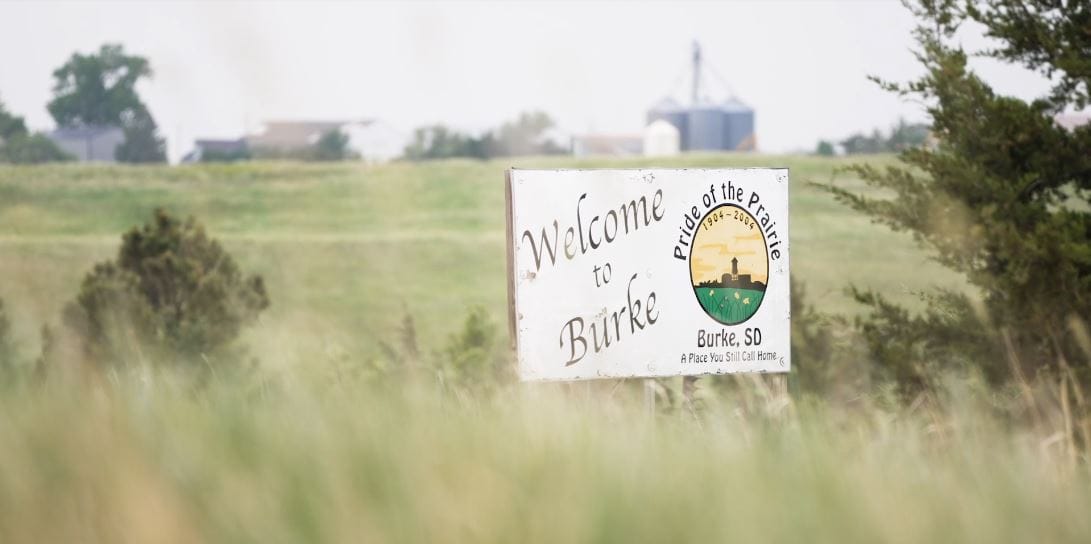
Burke, S.D., population 570, where Rachelle Norberg practices. (Photo: Rachelle Norberg)
Norberg is originally from Burke, which has a population of 570. She returned to the town to practice law through the Rural Attorney Recruitment Program (RARP), a program that aims to stymie “legal deserts” – areas where legal services are few and far between – and now chairs Project Rural Practice, the state bar association’s answer to those deserts.
Gaps in legal access necessitate action at state level
South Dakota is one of many states facing a growing gap in legal services available to those living outside of urban population centers.
In legal deserts, rural residents could be more likely to deal with issues like financial distress, wrongful incarceration or lack of access to due process, according to an Iowa State University study published this year in the South Dakota Law Review.
That same study found that 20 of South Dakota’s 66 counties are considered legal deserts, nine of which are “critical legal deserts,” or areas with “the most acute lawyer shortages in the nation.”
In 2013, South Dakota became the first state in the country to institute the RARP, a program that financially incentivizes lawyers to live and practice in rural areas. K. Aleks Schaefer, associate professor of international markets, trade and policy at Oklahoma State University, once called the program a “real-life science experiment.”
The initiative provides attorneys with $12,513 a year, or $62,568 total, if they commit to practicing law in a rural town or county for five years after they complete their law degree. That funding comes jointly from the state bar, the UJS and the counties and municipalities that house the lawyers.
Forty-eight counties in South Dakota are eligible to participate in the program, and any municipality under 3,500 people is eligible, though there is a preference system for counties with the greatest need. Just 20 of 309 municipalities in the state exceed that population requirement.
“Your clients are going to be the couple down the street, the old guy across the road, your kids’ friends’ parents, the farmer that lives 2 miles out of town that you see at the gas station every day.” — Dylan Kirchmeier
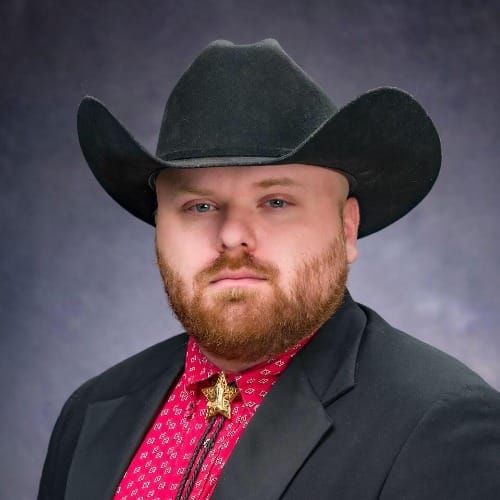
RARP participant Dylan Kirchmeier, who now serves as the state’s attorney for Roberts County, was in the room at the Capitol in Pierre as a Senate page when Tom Barnett, former executive director of the state bar, first discussed the program.
“I remember being in the appropriations meeting one morning when Barnett was talking about the bill to the appropriations committee. So I had knowledge of it going into my undergraduate studies, knowing that I was wanting to go to law school the entire time,” Kirchmeier said.
Last week, 12 years after that appropriations meeting, he officially finished his five-year contract and got his final payment from the state.
“I have no intentions of leaving (Roberts County),” Kirchmeier told News Watch.
The program can fund schooling costs or the opening expenses of hanging your shingle in a small town, but the dollars are, by design, flexible in their use. Kirchmeier used his stipend to pay his mortgage in Wilmot, population 432.
Dylan Kirchmeier, state’s attorney for Roberts County in northeastern South Dakota. (Photo: Dylan Kirchmeier)
RARP was born of Project Rural Practice, which was established by former bar president Patrick Goetzinger. That program aims to identify rural lawyer shortages and make recommendations.
Since its inception, 36 attorneys have come through the program, and 19 have graduated. Fourteen of those graduates are still practicing in their communities.
Lawyers find case variety in rural South Dakota
Kirchmeier’s status as state’s attorney means his work is in prosecution, but he told News Watch that lawyers who have a private practice in rural areas, like Norberg, often have more varied day-to-day work than those working in larger cities.
“Your clients are going to be the couple down the street, the old guy across the road, your kids’ friends’ parents, the farmer that lives 2 miles out of town that you see at the gas station every day,” Kirchmeier said.
“If you’re a practitioner in a small town, you have everything walking through the door, whether it be trust and estate work, divorces, custody disputes, criminal defense. You run the whole gamut of things that people might ask you to do.”
In his own role, Kirchmeier emphasized that a smaller population does not mean less work. Roberts County is small in population but large in geographic size and also covers parts of the Lake Traverse Indian Reservation, and Kirchmeier prosecutes hundreds of cases every year.
Greg Sattizahn, state court administrator for the South Dakota UJS, agrees.
“We’ve never had anyone in the program not complete the program because they didn’t have the work. The work is certainly there. It’s more, actually, managing the work that is out there,” Sattizahn told News Watch.
Support stories about rural South Dakota with a tax-deductible donation.
Sattizahn said that professional opportunities for attorneys are not necessarily limited by the small population size of rural counties or towns. For Kirchmeier, professional achievements abound in 10,000-person Roberts County. In 2024, he was awarded Prosecutor of the Year by the South Dakota State’s Attorneys Association.
“There’s a fear of not being able to be successful if you’re in a rural area versus more of an urban setting in the legal profession, whether that be personal achievements or wealth. I think that fear needs to get dispelled to some degree,” Kirchmeier said.
“I know from friends that I have that are also in the program that have started their own firms in these small towns. Obviously it takes a while to get ingratiated into a community, but they’re doing well for themselves financially. They have more than enough work to keep their lights on in their business, to feed their families, to make a good living.”
Community service a crucial role
A key underpinning in both the RARP and Project Rural Practice is that rural law, even private practice, is framed as for the public interest – an exercise in community service.
Hannah Haksgaard, professor at the University of South Dakota’s Knudson School of Law, published “The Rural Lawyer: How to Incentivize Rural Law Practice” with Cambridge University Press earlier this year. She told News Watch that part of the reason South Dakota’s program has been so successful is that focus on community service.
“In some of the earliest interviews I did with rural lawyers, I was struck that their choice to go into rural practice was because they were focused on the community involvement and community service aspects,” Haksgaard said.
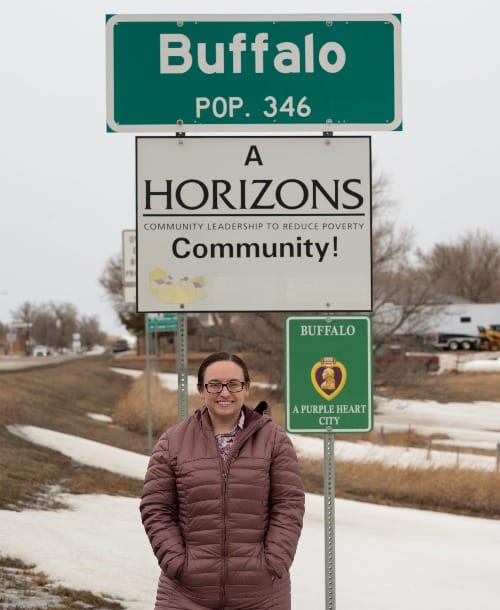
Hannah Haksgaard in Buffalo, S.D., while conducting research for her book, “The Rural Lawyer: How to Incentivize Rural Law Practice.” (Photo: Jesse Haksgaard)
When Norberg went to commissioners in Gregory County, where Burke is located, in 2018 to request approval for her RARP placement, it only narrowly passed. Norberg said she submitted yearly reports to the county to prove their investment in her practice was worth it. Those reports demonstrated over 300 hours of pro bono work, equivalent to more than $30,000 in free legal aid, and the creation of eight nonprofits in the county.
“It was probably a lot more out of stubbornness than anything, honestly: ‘I’m going to track all this stuff and I’m going to show you this is what I saved you.’ And what it ended up being was really beneficial, not only to me, but to a lot of other potential participants,” Norberg said.
Program’s evolution key to its success
Haksgaard said that part of the reason the state’s program has been so successful is its constant evolution.
In the RARP’s infancy, there were issues with health care access for attorneys, she said. But the state bar listened to participant concerns and found an insurance provider that worked for all of them.
“There was a clear policy problem, but a solution was found,” Haksgaard said.
The program also recently began an intern placement program with USD’s law school, which allows students to get a taste of rural practice without committing to the five-year contract.
Norberg has participated in that program as an employer.
“It is invaluable to have that. I practice on my own. I have three full-time staff between two offices. But to have an intern come in and assist is just fabulous,” she said. “It gives the employers an opportunity to bring somebody in that’s otherwise sometimes kind of difficult to recruit.”
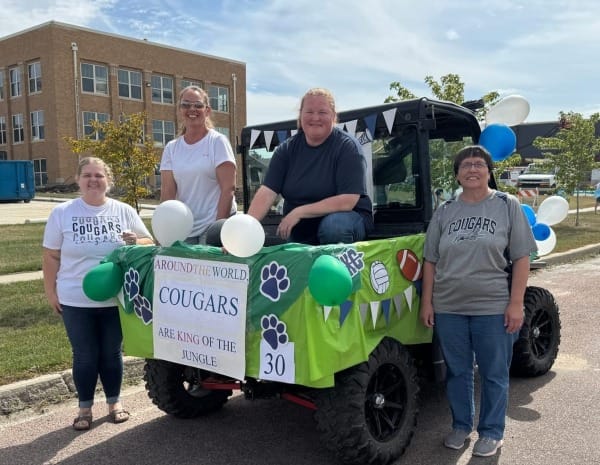
Rachelle Norberg (left) and her office staff at the 2025 Burke, S.D., homecoming parade. (Photo: Rachelle Norberg)
She said that serving as an intern in a rural area can often provide greater exposure to key parts of the legal process as well as a stronger community connection.
“Anytime I have a court hearing, they’re coming with me to court to see the different types of hearings that go on. They’re getting to meet with clients. They’re getting to research specific issues that makes it a little more real than maybe sitting in a classroom does,” Norberg said.
“They see a lot of things that you wouldn’t see for three to five years if you’re going to work at a larger firm and actually get to have some of that hands-on experience before they graduate from law school.”
Get South Dakota stories
An email summary on most weekdays that links to the full version. Cancel anytime.
Some experts said that incentive programs alone will not fill these legal gaps, considering over half of the country’s non-metro counties are classified as either emerging, urgent or critical legal deserts.
“I don’t think that South Dakota is ever going to be at a spot with rural lawyers where the organizers look around the room and say ‘OK, we’ve done our job. We can stop making steps forward.’ I don’t think that ever will be the case,” Haksgaard said.
For now, though, RARP has brought some level of hope both to rural areas and to the state itself – where the intention is to keep the program going into the foreseeable future.
“I think the biggest factor of all is just the strength in personality and the work ethic of the people who are involved in this program,” Haksgaard said. “There are just people who are very dedicated to making this program work. And that dedication is what has made the difference.”
This story was produced by South Dakota News Watch, an independent, nonprofit organization. Read more stories and donate at sdnewswatch.org and sign up for an email for statewide stories. Investigative reporter Molly Wetsch is a Report for America corps member covering rural and Indigenous issues. Contact her at molly.wetsch@sdnewswatch.org.
Piedmont residents shocked by new mine coming to their city
PIEDMONT, S.D. – Residents and government leaders in this small western South Dakota city are in shock that the state approved a limestone mining operation without notifying them in advance about the project.
Locals learned about the sprawling limestone mine set to nearly encircle the city only after brief notices announcing project approval ran in a pair of newspapers published elsewhere in Meade County.
What they discovered is that Simon Contractors, a French-owned, Wyoming-based mining and materials company, has acquired state approval and private landowner agreements to allow limestone mining on 10 parcels of land that are either within the Piedmont city limits or that directly border its western boundary.
Get South Dakota stories
An email summary on most weekdays that links to the full version. Cancel anytime.
The 300-acre mine is expected to start running in August and operate through 2043, according to Simon.
Piedmont is a city of 1,000 people located in the foothills of the Black Hills along Interstate 90 about midway between Rapid City and Sturgis. The bulk of development is located between the interstate and the pine-laden hills on the west, where the mine is planned.
Piedmont consists mostly of homes and small ranches, several churches and a few commercial properties that include a gas station/convenience store, a couple bar/restaurants, a butcher shop and a campground. A few municipal buildings and an elementary school round out the community.
Many residents are worried about potential impacts of a limestone mine planned for the woodlands around their homes in Piedmont, S.D., shown on Oct. 23, 2025. (Photo: Bart Pfankuch/ South Dakota News Watch)
With almost no details released about the mine project so far, dozens of residents attended a standing-room-only city meeting on Oct. 21 to share their concerns about potential air, water, traffic and property value impacts.
“This is going to destroy Piedmont,” said Paul Betts, pastor of Redemption Church in Piedmont, which borders the mine site on two sides. “It will destroy the beauty of this area and it will look completely different. Your house’s property values will decline and nobody is going to want to move here.”
Speaking during the Oct. 21 meeting, Betts said he and his daughter have asthma and they worry it could be worsened by limestone dust that can blow about in the frequent high winds.
“I’m not going to put my daughter in danger by breathing in this silica that can cause years-long problems,” Betts said. “If this happens, we may have to move our church out of Piedmont, and we don’t want to move out of Piedmont.”
State and local laws limited notifications
A rare combination of a lax state mining law and a lack of county land-use regulations allowed the Piedmont mine to gain approval without input from the public or local government.
South Dakota has two levels of permit requirements depending on the type and scope of a proposed mine, said Rich Williams, an attorney who represents the city of Piedmont.
A more invasive mine, such as a gold or silver mine, requires a specific state permit that mandates an environmental impact study, an analysis by state regulators and public input, Williams said.
But for a limestone, sand or gravel mine like the one proposed for Piedmont, a mining company only needs to obtain a general state mining license, submit project maps and pay a bond that enable it to mine on any piece of private property where it secures the right to do so.
No public hearings or notifications are required for that type of mine, so Piedmont residents and town leaders were not required to be notified in advance, Williams said.
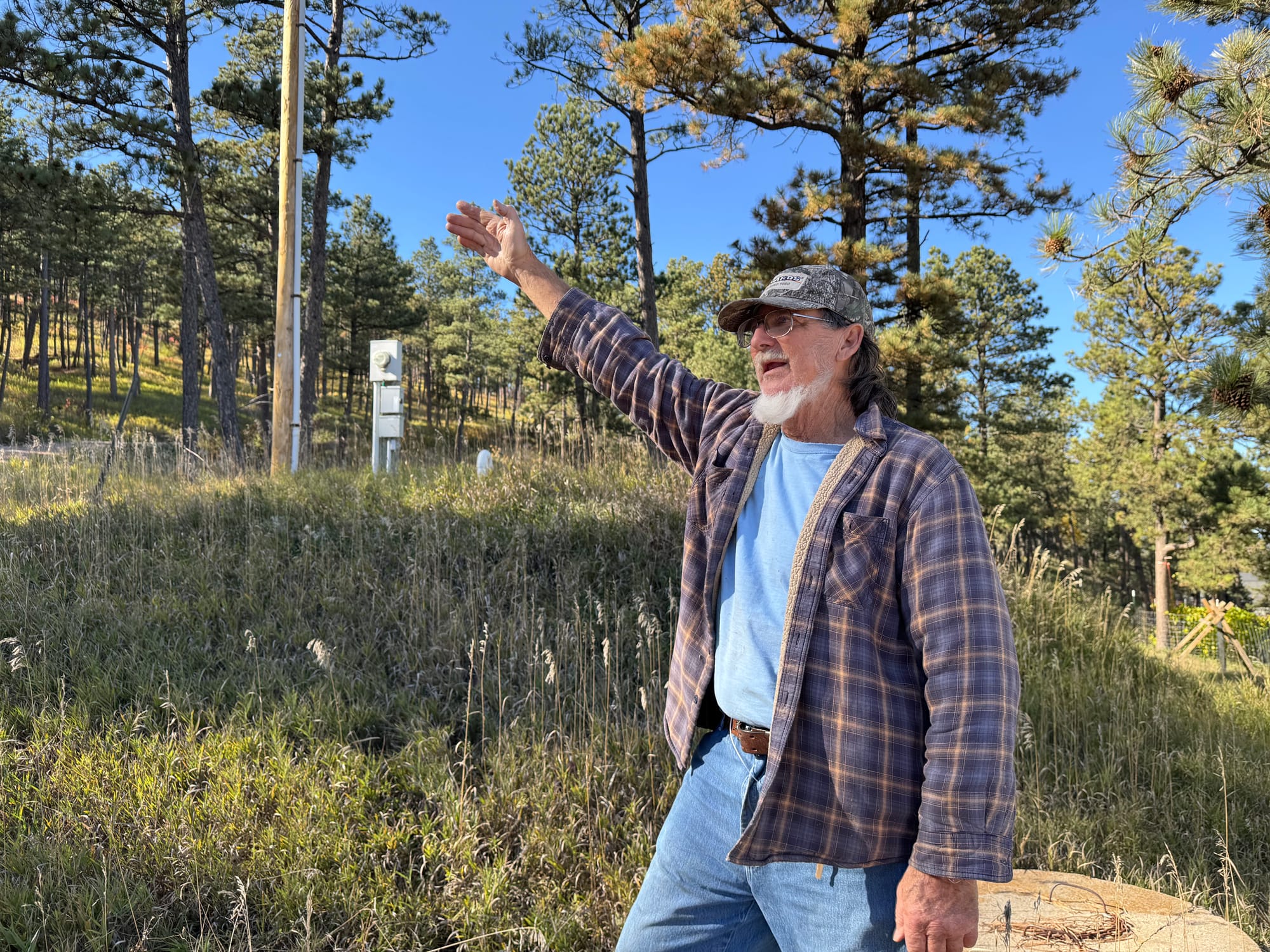
Phil Anderson, municipal board chairman in Piedmont, S.D., shown on Oct. 23, 2025, walks on land next to where a limestone mine is expected to begin operations in 2026. (Photo: Bart Pfankuch/ South Dakota News Watch)
They were also kept out of the process by the lack of land-use regulations in Meade County, which has no zoning laws, said Phil Anderson, chairman of the Piedmont board of trustees. Attempts at public votes to enact zoning laws in the county have failed over the years, Anderson told News Watch.
“The responsibility for this resides on our people a little bit because they don’t want government telling them what to do, though sometimes we need government to be involved,” he said.
A spokeswoman for Simon did not respond to a list of email questions sent by News Watch. Simon is part of a French-owned conglomerate and has about a dozen mine or materials locations in the Black Hills region, ranging from Sturgis to Hot Springs.
Little recourse for mine opponents
The Oct. 21 meeting was marked by frustration and worry by both city officials and members of the public. Officials said that while they have some level of control over mining within the city limits, they are unable to regulate mining on parcels that surround the west side of the city.
South Dakota Rep. Terri Jorgenson, a Meade County Republican, was one of four state lawmakers to attend the meeting.
“The city of Piedmont will not see any financial benefit from this project.” – Phil Anderson, chairman of the Piedmont board of trustees
Jorgenson said she has contacted several state agency officials – including those at the Department of Agriculture and Natural Resources – to learn more about the limestone mine but was unable to find any firm path to opposing or blocking the project at this point.
“Basically what the state is doing is just reclamation,” she said. “After mining is complete, the state’s responsibility is to make sure the land goes back to what it was before.”
DANR did not immediately return a call Thursday seeking comment.
Your donation supports trusted, balanced storytelling that’s delivered for free to all South Dakotans.
Jorgenson said she has concerns about the mine’s potential impacts on air and water quality, property values and on the local elementary school, where children could be exposed to dust or noise. She promised to continue to push for answers on how to mitigate resident worries.
Jorgenson and others said it might take innovative thinking and a grassroots effort by locals to find ways to control the activities of the mining company or to mitigate negative impacts from the mine.
Anderson said his research found that the mine area likely contains about 5 million tons of limestone that would sell for up to $33 a ton, about 10% of which will go to landowners who allow mining on their property.
“The city of Piedmont will not see any financial benefit from this project,” Anderson said.
Residents worried over health, property values
Resident George Malley, whose home borders the mine boundary, said he has four children who could be impacted by mine activities.
”I’m concerned about the air and water quality,” Malley said. “I have special needs children and I don’t know what that blasting could do to them.”
Piedmont, S.D., resident George Malley, shown on Oct. 23, 2025, lives in a home on the border of a proposed limestone mine site. (Photo: Bart Pfankuch/ South Dakota News Watch)
Bree Woods, a second-generation Piedmont resident, said the limestone mine could hamper agricultural operations of local landowners.
“We’re still an ag community. We have horses and we have people that have cattle,” Woods said. “This is going to create massive vet bills for all of us that have animals that are our livelihood.”
At the close of the Oct. 21 meeting, the residents, local officials and state lawmakers all agreed to work together to either block the mine from opening or to make the best of the situation if mining operations begin.
“I’ll do what I said I would, and that is to pray about this,” Malley told Anderson, the city board chairman.
This story was produced by South Dakota News Watch, an independent, nonprofit organization. Read more stories and donate at sdnewswatch.org and sign up for an email to get stories when they’re published. ContactBart Pfankuch at bart.pfankuch@sdnewswatch.org.
Chamberlain gives away land to spur new housing development
CHAMBERLAIN, S.D. – This picturesque city on the shore of the Missouri River is so eager to encourage development of new housing that it bought a tract of land and is giving away lots to anyone who promises to build a home.
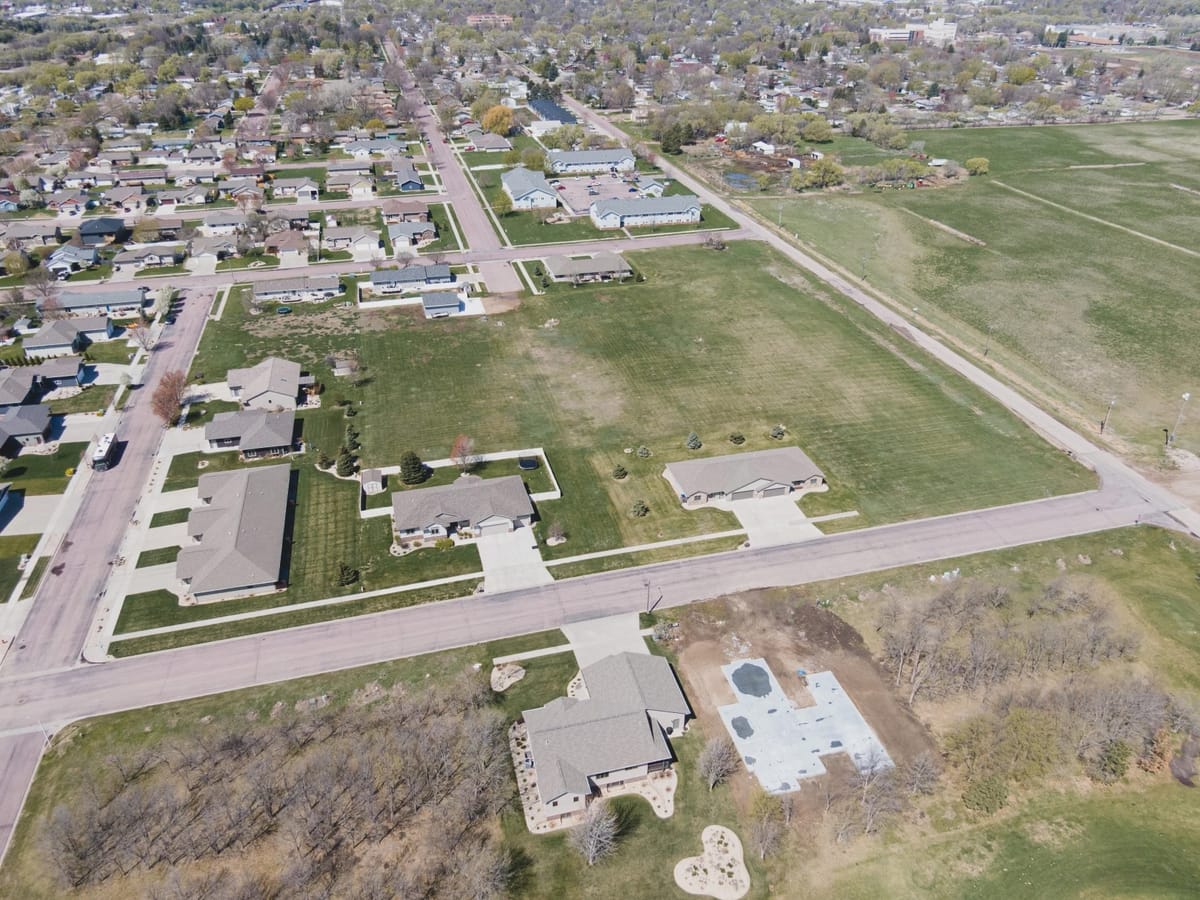
The free lots, awarded to individuals or developers through a lottery system, are located in a subdivision where the city has used taxpayer money to build streets and install sewer and water lines to further jump-start construction.
The effort to use municipal funds and resources to spur growth in Chamberlain is seen as the only way to create significant new housing in a city of about 2,500 people known more for walleye fishing and bird hunting than for commerce or industry.
“We said it for a long time in Chamberlain, that as a community, you’re either growing or you’re dying, and there’s no in between,” said Greg Powell, who spent 25 years as city engineer and led a previous city housing project before retiring in 2021.
In recent years, Chamberlain has seen development of very few new homes and has been losing some family housing to conversion of existing properties into short-term rentals, said Sheena Larsen, executive director of the Lake Francis Case Development Corp.
The city has several apartment buildings, but all have waiting lists for occupancy, Larsen said.
The overall lack of housing – a common problem in small South Dakota cities and towns – is holding back growth by limiting options for new residents and employers, she said.
“With the school or the hospital, anytime they need employees, the biggest thing is trying to find a place for them to live,” Larsen said. “A lot of times, they take the job and can’t find a place to live, so they have to turn it down.”
ABOUT ENGAGE SOUTH DAKOTA
This story is part of an ongoing South Dakota News Watch series called Engage South Dakota using storytelling, crowdsourcing and community engagement to identify and share potentially replicable housing solutions.
Each story includes the community’s response, insights to be learned, proof of whether the ideas are effective and limitations on the efforts.
Key takeaway for this story: Municipalities in South Dakota cannot wait for private developers to create new housing and must be innovative and may need to invest taxpayer money in order to solve the problem.
The land giveaway is part of a municipal subdivision development project that began in 2018 when the city spent $900,000 to buy a 60-acre tract south of downtown and east of Interstate 90, said city administrator Clint Soulek.
The property was divided into 30 housing lots, one multi-family lot for apartments and 11 commercial lots for businesses, he said.
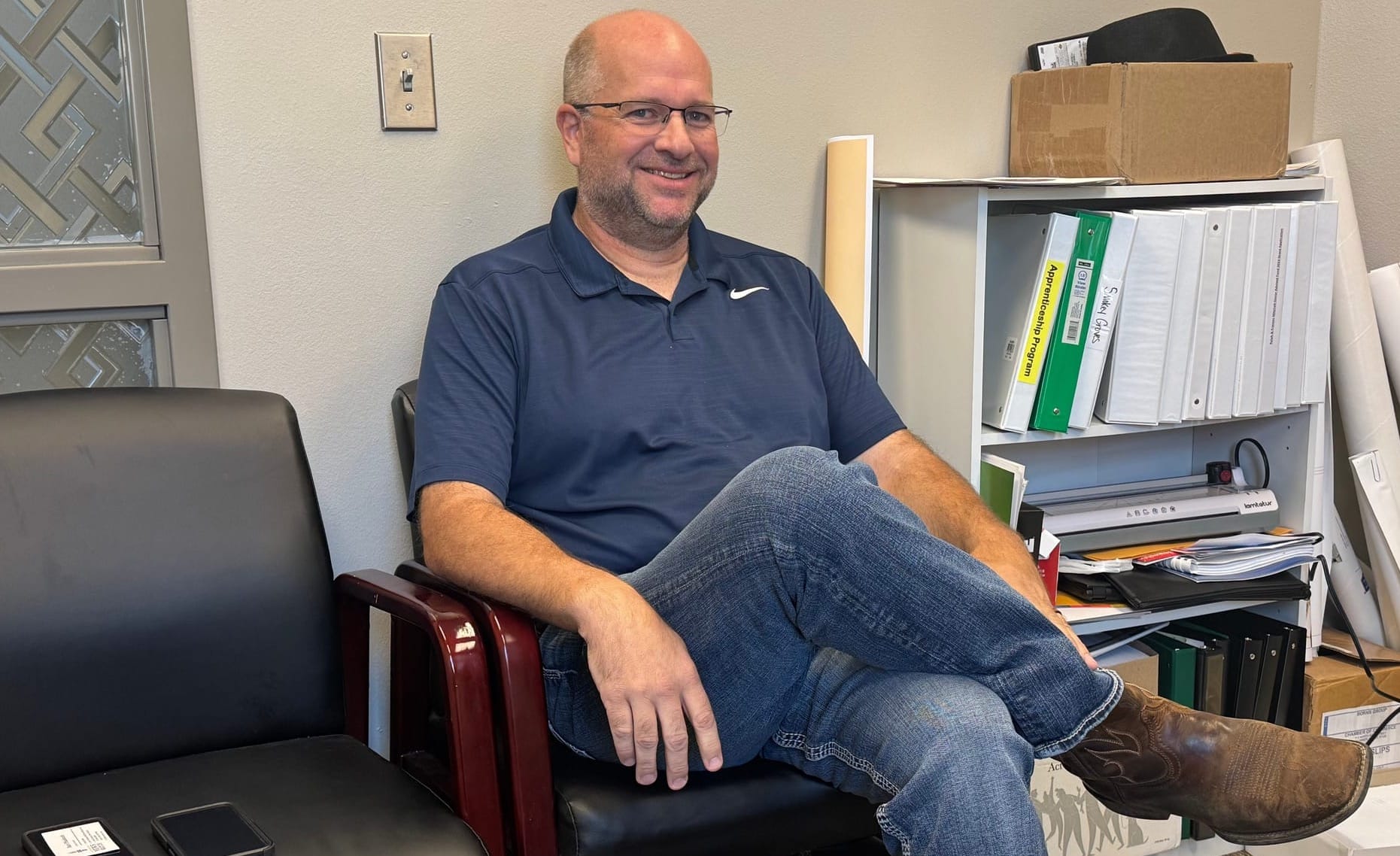
Chamberlain, S.D., city administrator Clink Soulek, shown at city hall on Sept. 23, 2025, said giving away land for housing speeds up the development process. (Photo: Bart Pfankuch/ South Dakota News Watch)
Not long after buying the land, the city gave away 11 buildable housing lots through a computerized lottery system to applicants who met financial parameters and promised to begin building within 18 months, said Soulek, who was on the city council at the time.
The city created a tax-increment financing district, then spent about $2 million in taxpayer money and another $2 million in state and federal grants to hire contractors to build roads and curb and gutter and to extend sewer and water systems to the neighborhood, he said.
“With the free lots, it entices people to get things moving quicker,” Soulek said. “Without this, I don’t think there’s any way we can grow.”
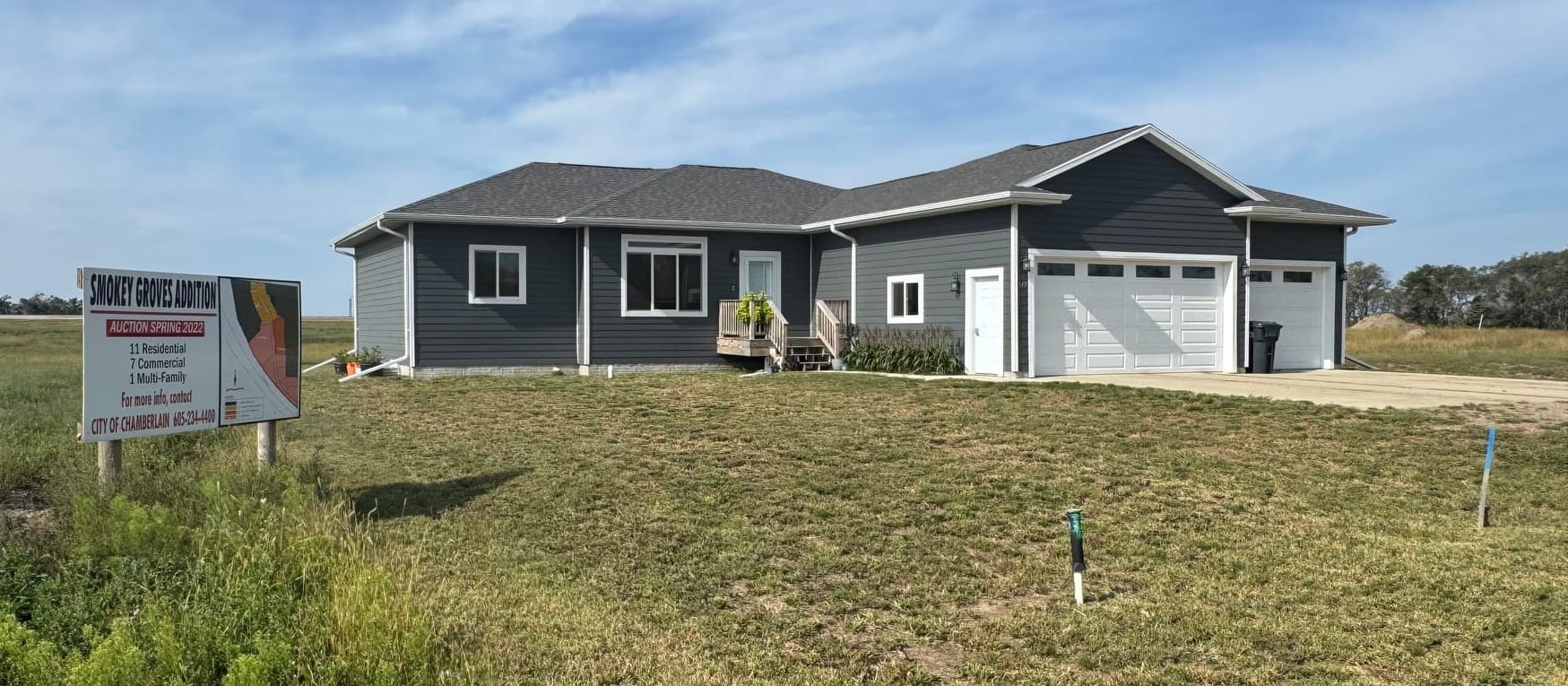
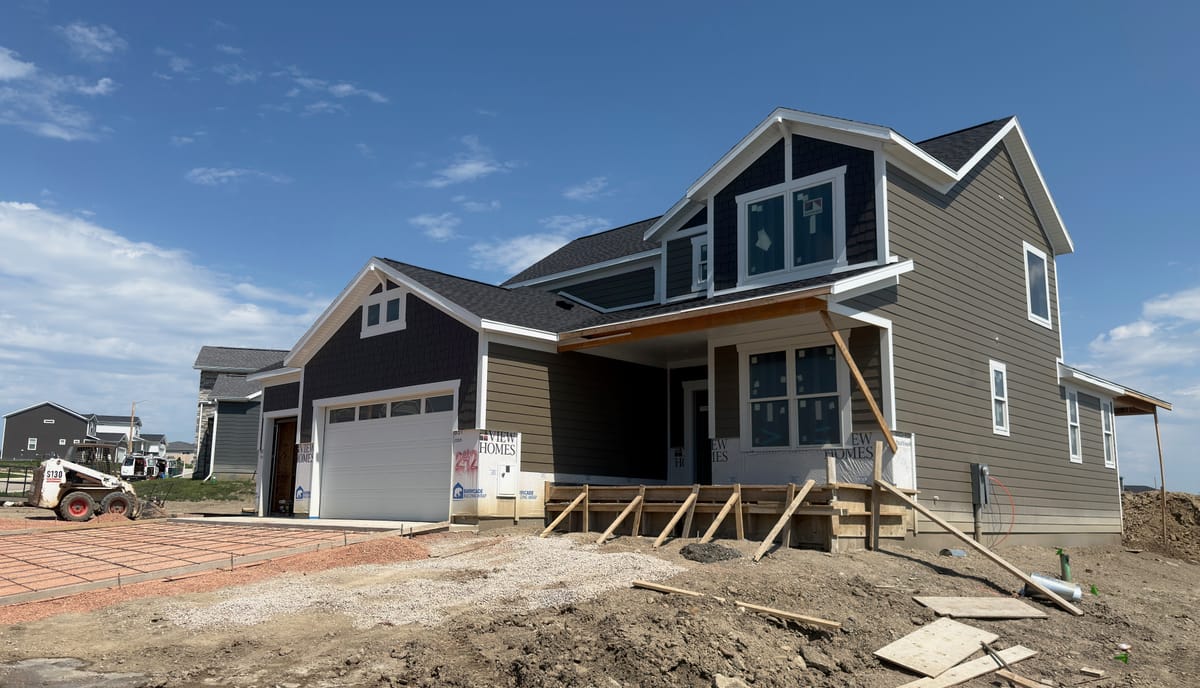
Since the lottery, seven homes have been built in the subdivision, known as the Smokey Groves Addition, after a historical name for the area. Of those, four houses have gone to families who are new to the area, Soulek said.
Recipients of the lots have contracted with builders to construct the homes, which have ranged in price from $330,000 to $630,000, he said.
The subdivision project has had strong support from the city council and from the public, Soulek said. “Anything we’ve done with housing, we haven’t had any opposition, including giving the lots away,” he said.
Get South Dakota stories
An email summary on most weekdays that links to the full version. Cancel anytime.
Though the subdivision development has been slowed by the road contractor who is facing penalties for missing deadlines, Smokey Groves will be a win for the city and for the people who live there, Soulek said.
“The homeowners get $15,000 to $20,000 in instant equity due to the free land, which can lower their downpayment or lead to better terms with a lender,” he said. “And it’s going to benefit the city in the end with new housing and a stronger tax base.”
Insights: Small towns cannot wait around
Smokey Groves will be the second major housing project launched by Chamberlain town leaders.
The city took the bold step of jumpstarting construction of its first new subdivision in 2000 after realizing it was unlikely that private developers would ever build new homes in the city.
“Small-town development is so much different than in big cities, and nobody wants to invest in small-town subdivisions,” said Powell, the retired city engineer who led Chamberlain’s early municipal housing efforts.
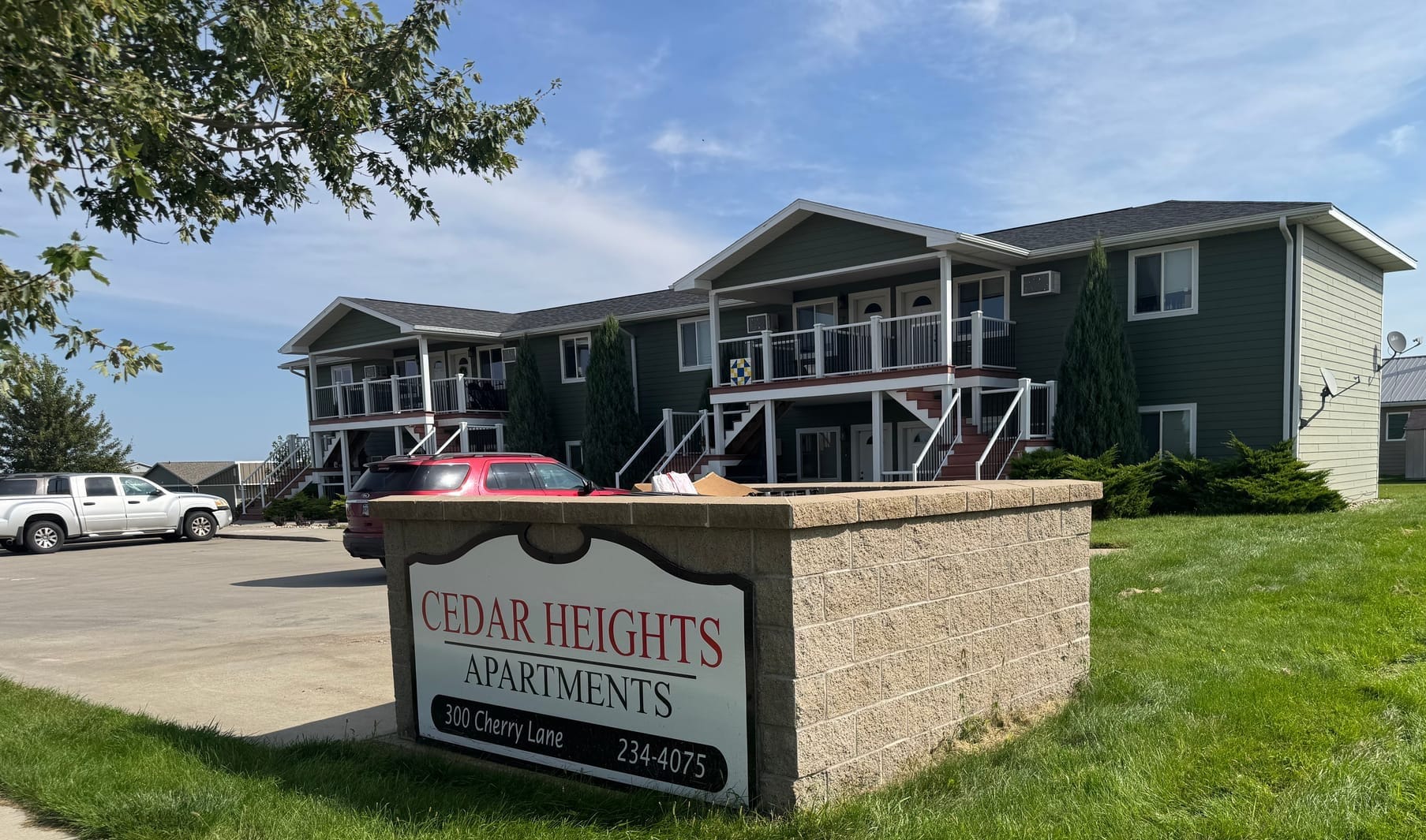
This apartment building, shown on Sept. 23, 2025, is part of the Cedar Heights subdivision, the first municipally supported development project in Chamberlain, S.D. (Photo: Bart Pfankuch/ South Dakota News Watch)
Private developers want to move houses faster and obtain larger profit margins than are available in small cities like Chamberlain that are seeing slow or stagnant growth, he said.
“It takes you 20 years to get your lots sold, and most developers want their money back in five years,” Powell said.
In the years before the city developed Cedar Heights, it was seeing as little as one new house built per year.
“All of these small towns, if they want to grow and survive, they’re going to have to take responsibility for housing themselves.” – Greg Powell, former Chamberlain city engineer
In its first subdivision development – known as Cedar Heights – the city owned a large tract of land on its south side and paid to install infrastructure. The land had been used as an airport in the mid-20th century and was vacated when a new airport was built, Powell said.
The city hired a contractor to build the streets and install sewer and water connections, and the city began to sell lots to builders or homeowners, though at below-market prices, Powell said.
At the time, the need for new housing was so great that buyers didn’t wait for the infrastructure to be completed before making offers on lots, Powell said. “People bought them on blind faith after we promised to install streets, sewer and water within three years,” he said.
Limitations: Growth comes slow, but that’s OK
Soulek said other cities considering subdivision development of land giveaways should get the roads paved and curb and gutter fully installed before offering lots for development. Smokey Groves has been hampered by road work delays and the inability of potential buyers to fully visualize how it might look when completed, he said.
“I’d tell them to get the roads in first before you allow any building because you’ll have less headaches later,” Soulek said. “A lot of people held off on building because without the infrastructure, it is hard to see what it can look like in the end.”
Though it took nearly two decades to build out, Cedar Heights ultimately resulted in construction of about 70 houses, six multi-family properties and 15 commercial enterprises, he said.
The growth was slow, but the effort provided new development and strengthened the city economy and tax collections, Soulek said.
“One of the big reasons it worked for us is that we expanded housing but we also grew our tax base,” he said.
This home, shown on Sept. 23, 2025, is one of those built on free lots given away by the city of Chamberlain, S.D., to spur faster residential development. (Photo: Bart Pfankuch/ South Dakota News Watch)
Local builders and businesses, including a concrete company and contractor’s outlet, benefited from revenue and product sales related to housing construction, Soulek said.
Powell said Chamberlain’s experience with subdivision development in the early 2000s and now again with the Smokey Groves project provide a lesson to other municipal leaders around the state.
“All of these small towns, if they want to grow and survive, they’re going to have to take responsibility for housing themselves,” he said.
Choose how to give.
Click the Donate button to see the different ways you can give and help make stories like this one possible. And tell us why you support our work.
Vance Hickey is a retired developer who built several homes in the Cedar Heights subdivision over the past two decades. He co-owns VC Hickey Construction, which is now run by his son, Cliff.
Hickey said he isn’t sure if his son, who is busy on other projects, will pursue home construction on lots being given away by the city in the Smoky Groves subdivision.
But the city’s willingness to make lots available and affordable and to install critical infrastructure has helped expedite construction of new homes in Chamberlain, he said.
In the early 2000s, Chamberlain had no available lots for homes, so the city’s involvement was key to making home construction possible, Hickey said.
“It made it easier,” he said. “We had no building sites, so the city developing that with sewers and water and streets, all you had to do was walk up, pick out a lot you wanted and get going on the house.”
Hickey built several “spec homes,” or homes that are built before a contract is signed, in the Cedar Heights subdivision and had success selling them.
His adult son and daughter both live in homes he built in Cedar Heights, he said, adding that he is proud to have been a part of a project that has made life better in Chamberlain.
“I sometimes drive through that area and I hold my head up high,” he said.
This story was produced by South Dakota News Watch, an independent, nonprofit organization. Read more stories and donate at sdnewswatch.org and sign up for an email to get stories when they’re published. ContactBart Pfankuch at bart.pfankuch@sdnewswatch.org.
Tariffs and trade war bring volatility to SD ag industries
NEWELL, S.D. – Tariffs, an international trade war and other market conditions are creating great volatility across the South Dakota agricultural industry, with West River ranchers celebrating record prices and some East River soybean and corn farmers facing potential financial disaster.
Farming and ranching are always full of ups and downs and winners and losers. But 2025 is proving to be unusual in the way some agricultural sectors are riding high while others are worrying about potential foreclosures.
President Donald Trump’s trade war with China is almost exclusively negative for row crop growers, but his multitude of new tariffs are lifting some sectors, livestock producers in particular.
Get South Dakota stories
An email summary on most weekdays that links to the full version. Cancel anytime.
At a stock sale at the Newell Sheep Yards, replacement ewes were drawing “very high prices” on a recent Thursday in September, according to facility manager Barney Barnes.
But the ebullient mood on display in Newell belies the misery being felt by thousands of farmers and farm families in the eastern half of South Dakota.
Largely due to the trade war with China, which has led the Asian nation to forgo orders for American soybeans and turn instead to South American producers, row-crop farmers in eastern South Dakota expect low demand and low prices for their products this year.
“When you look at crop markets like corn and soybeans and wheat, they’re all just dead,” said Scott VanderWal, president of the South Dakota Farm Bureau Federation. “They’re all in a loss position.”
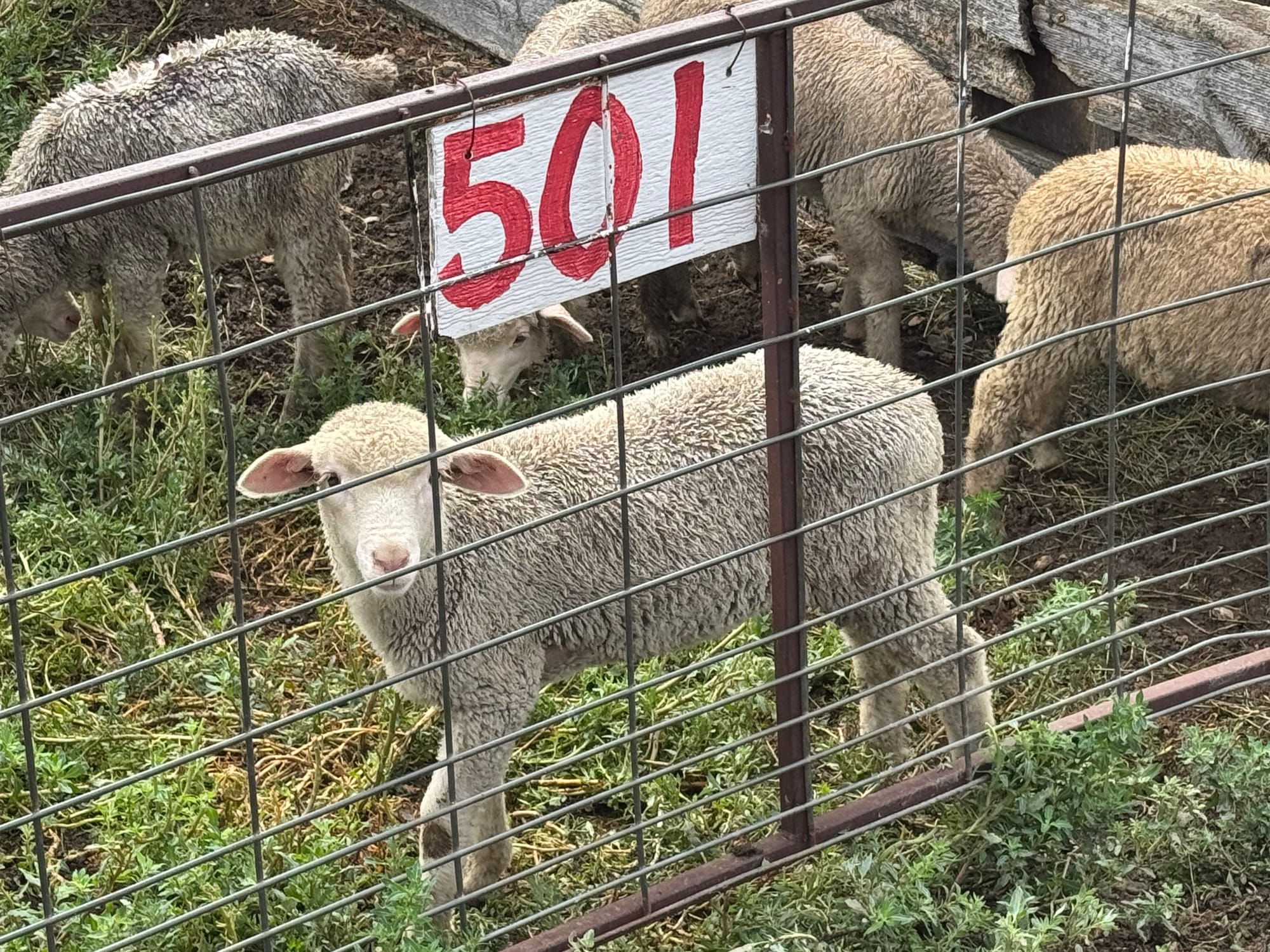
A lamb awaits sale on Sept. 18, 2025, at the Newell Sheep Yards in Newell, S.D. (Photo: Bart Pfankuch / South Dakota News Watch)
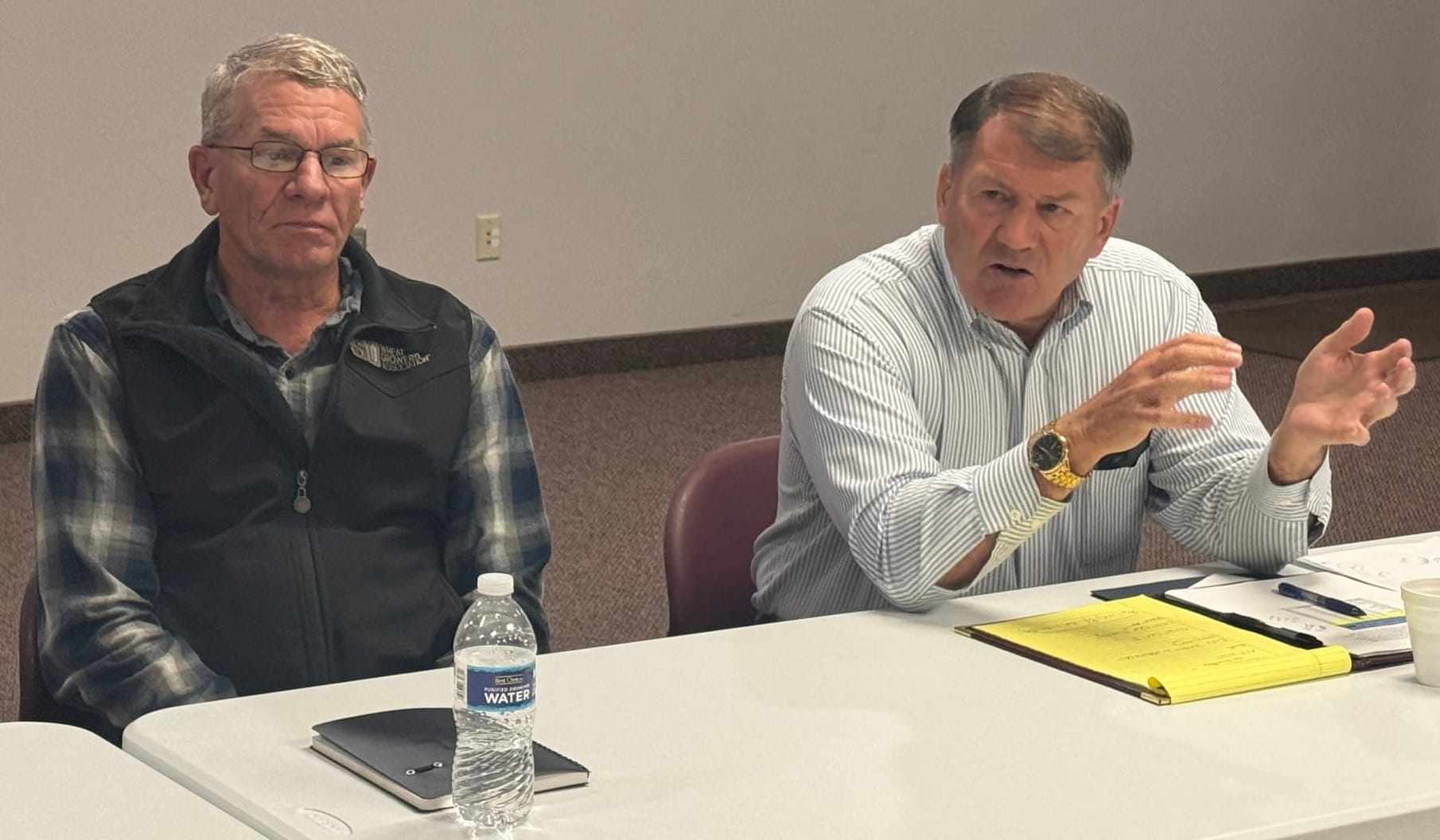
Republican U.S. Sen. Mike Rounds of South Dakota told News Watch that row-crop farmers in South Dakota have suffered for years without favorable trade deals, adding that Trump’s goal is to enact deals that “change the balance of trade.”
After meeting with a dozen row-crop farmers, lenders and agricultural leaders in Pierre on Sept. 22, Rounds cautioned them that the struggles of 2025 might continue into 2026 if new trade deals aren’t made by then.
“The American producer is the tip of the spear in these trade battles,” he said.
Rounds later suggested that perhaps some of the new federal revenue from tariffs could be used to offset losses by American farmers.
Concerns greatest in soybean industry
The worst hit among South Dakota’s roughly 28,000 farms and ranches are the 5,000 producers who grow soybeans.
With no China sales, they are left with the untenable situation of having a huge crop of beans ready for harvest and a gap in the traditional marketplace to sell them.
U.S. Sen. Mike Rounds, right, speaks during a meeting in Pierre, S.D., on Sept. 22, 2025, with South Dakota row-crop farmers, including Doug Simons, left, president of the South Dakota Wheat Growers Association. (Photo: Bart Pfankuch / South Dakota News Watch)
“If you don’t have a market or a good price for the product, you don’t have a working wage for the families, and there have been bankruptcies already,” said Jerry Schmitz, executive director of the South Dakota Soybean Association. “Especially the young families, when we start losing those, they’re the people who are our future and who should be producing for the next few generations.”
“With less demand, and a bumper crop coming through this year, that will all create downward pressure on prices,” said DaNita Murray, executive director of South Dakota Corn, the grower’s association. “Things are tightening up, and the mood out there ranges from worried to grim.”
In a typical year, soybean producers generate about $5 billion for the state economy, Schmitz said. About 30% of the 230 million bushels of soybeans grown annually in South Dakota are exported to China, he said.
As the annual soybean harvest begins, producers may have to pay to store their beans in grain bins or elevators, but some may have to bag them or store them on the ground, Schmitz said.
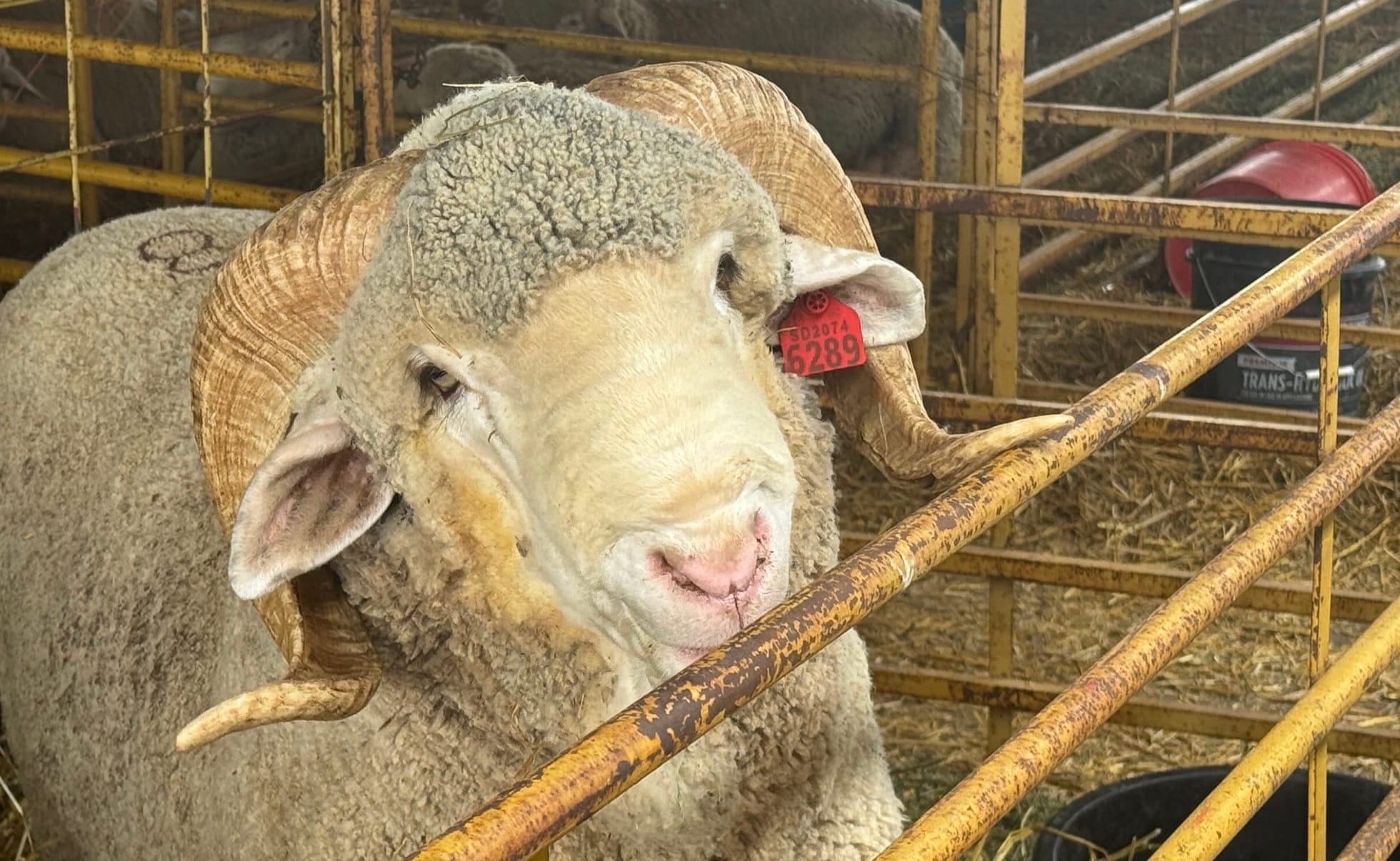
A sheep stands in a stall at the ram show held by the South Dakota Rambouillet Association in Newell, S.D., on Sept. 18, 2025. (Photo: Bart Pfankuch / South Dakota News Watch)
“In these trade deals with China, we’re making agreements that make things more fair for workers in Detroit or Chicago, but that’s being done at the expense of small family farms that are producing soybeans,” he said.
Schmitz said he and other agricultural leaders are seeking new markets for soybeans and related products, including for oils that can be used in biofuels, such as diesel.
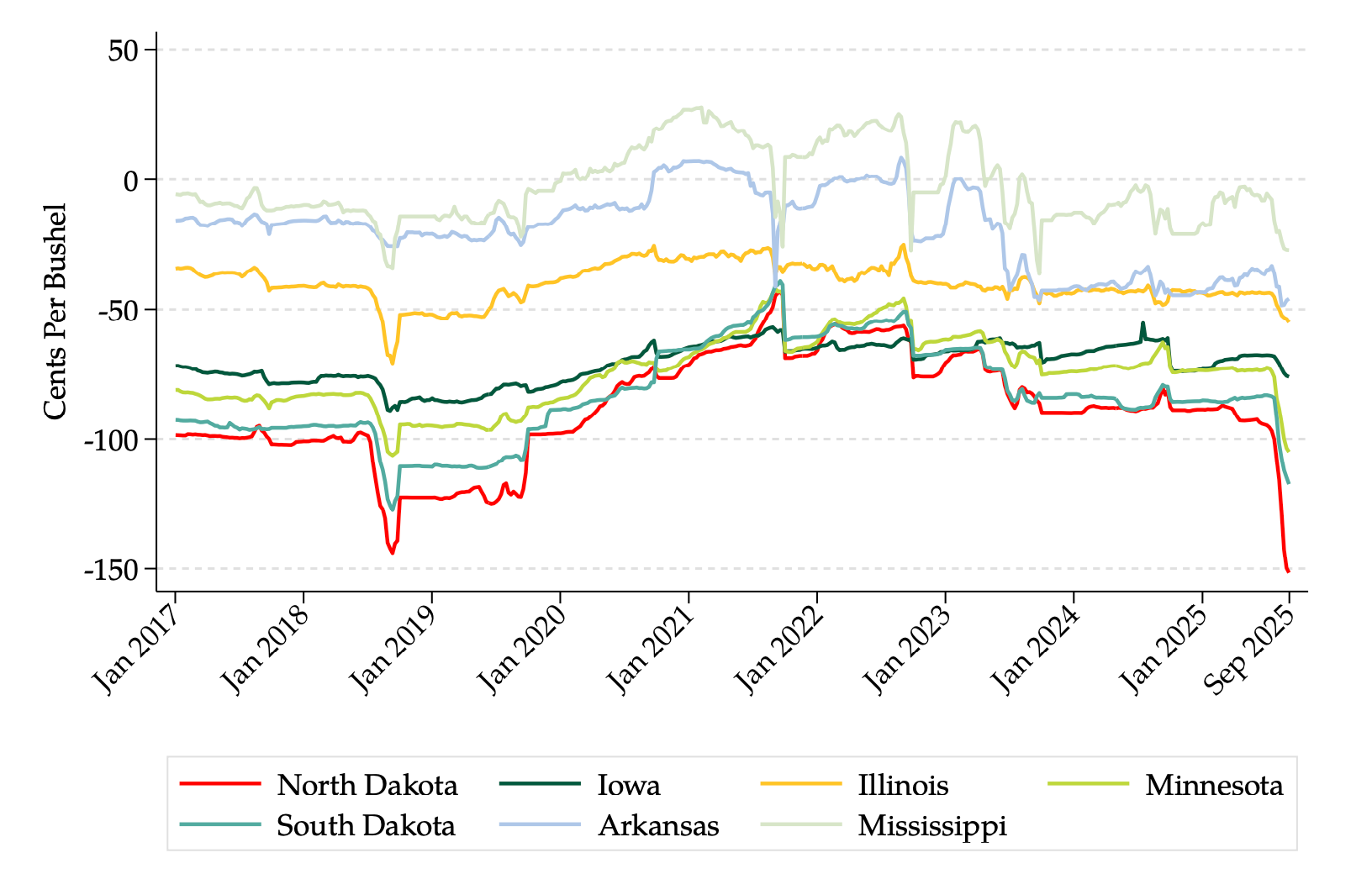
This chart from NDSU Agricultural Trade Monitor shows the soybean basis, which is the difference between what a farmer receives in their local market and the price of the nearest‐term CBOT futures contract.
Some hope arrived with a recent trade delegation from Nepal, Sri Lanka and other countries that visited South Dakota, though those nations are much smaller soybean consumers than China. Establishing markets in new countries is a slow process that can take years, Schmitz said.
Meanwhile, China is likely to increase soybean purchases from South America, as it has during previous trade wars. Once those new markets are established, they cut into the market for American soybeans on a permanent basis, Schmitz said.
Corn growers see low prices amid bumper crop
South Dakota’s corn farmers, many of whom also grow soybeans, are also having a tough year.
Even as they could set a record of more than a billion bushels grown in 2025, up from about 850 million last year, they are plagued by low demand and low prices that could stifle profits, said DaNita Murray, executive director of South Dakota Corn, the grower’s association.
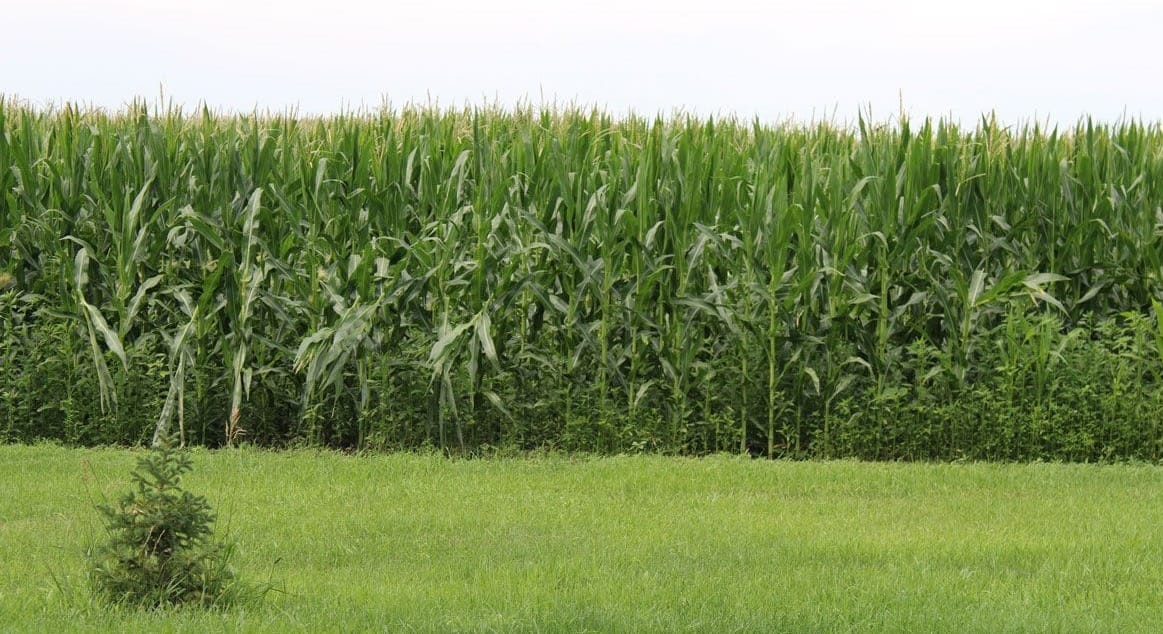
Farmers who grow corn, like this field near Dimock, S.D., shown in July 2023, expect a bumper crop but low prices for their product in 2025. (Photo: South Dakota News Watch file)
Similar to the soybean industry, corn farmers are seeing no orders from China as well as slowed interest from the two major importers of American corn — Canada and Mexico, Murray said.
“With less demand, and a bumper crop coming through this year, that will all create downward pressure on prices,” she said. “Things are tightening up, and the mood out there ranges from worried to grim.”
A lack of details about trade deals made by Trump, including with the United Kingdom, have caused uncertainty in the markets that has further stagnated prices, Murray said.
About half of South Dakota corn is used for ethanol and the remainder is used for animal feed and exports, she said. Corn was selling for about $3.60 a bushel in early September.
Support stories about rural South Dakota with a tax-deductible donation.
Potential negative outcomes include farmers having to pay to store their grain and, in the longer term, an inability to afford equipment or fertilizers that are subject to import tariffs in the upcoming planting season. Those impacts could spill further down the line in the agricultural economy in the state, Murray said.
VanderWal said if the cost of “inputs,” that include seed, fertilizers and land rents or mortgage payments continue to rise, and prices don’t rise along with them, some South Dakota farmers might not be able to survive.
“So here we go again, with higher input costs and a low price for our output that is below break even,” he said. “People who don’t have a lot of capital built up or pretty solid equity are going to have a problem.”
Beef, lamb producers having a very good year
With a strong national market for lamb meat in 2025, sheep producers from across northwestern South Dakota were seeing strong prices and solid profits as they sold their ewe and feeder lambs to dozens of buyers in the auction ring in Newell in September.
The positive outcomes for the state’s relatively small sheep production industry is being felt on an even greater scale by South Dakota’s far larger cattle ranching sector, which is anchored west of the Missouri River and is seeing record prices for cows and calves in 2025.
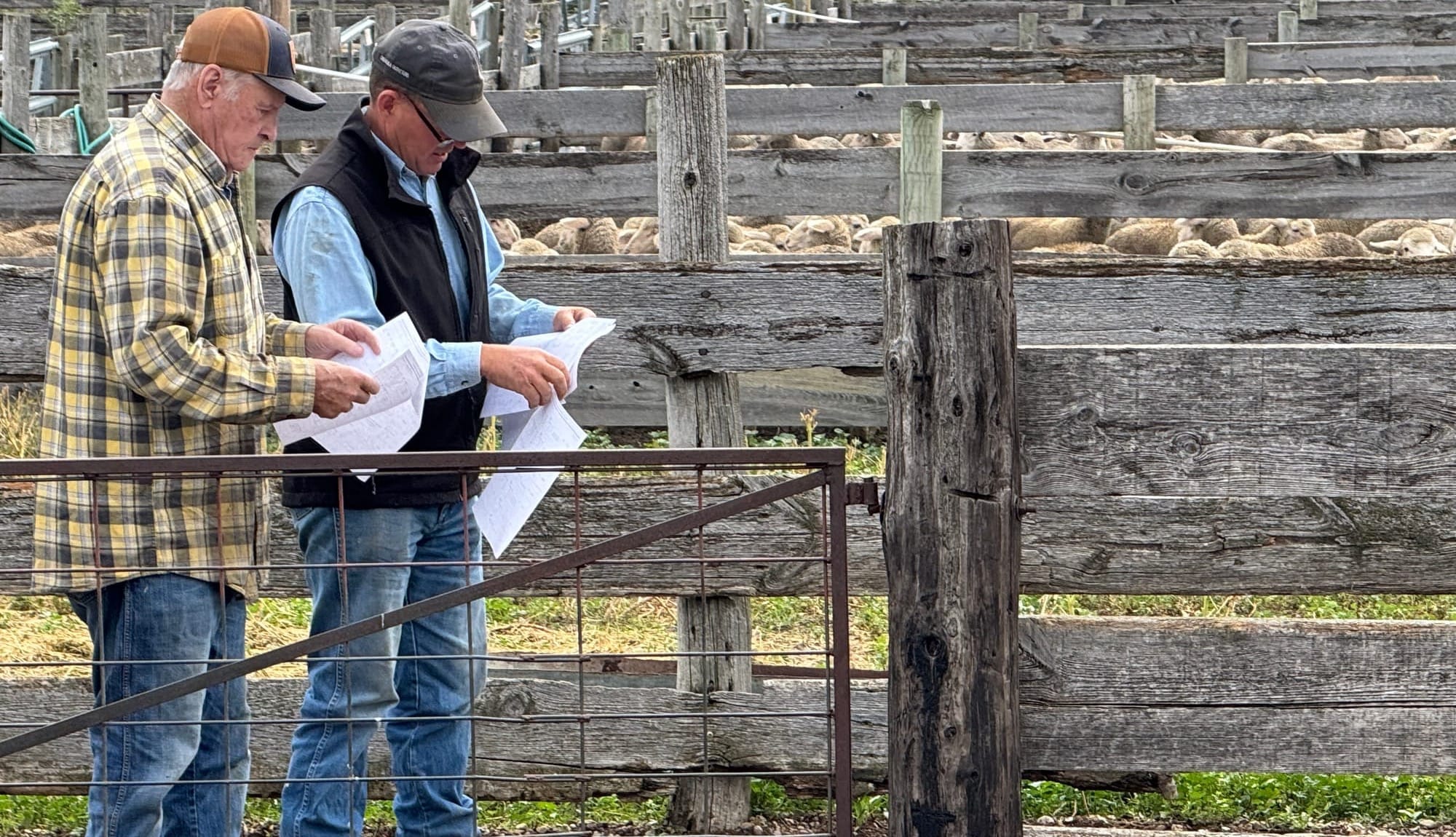
Ranchers read up on sheep that were for sale on Sept. 18, 2025, at the Newell Sheep Yards in Newell, S.D. (Photo: Bart Pfankuch / South Dakota News Watch)
Nationally, beef producers have benefited from a reduction in supply as ranchers slowed production after the COVID-19 pandemic, leading to the lowest overall inventory since the early 1960s.
Ranchers in the cow-calf industry have benefited from price increases caused by tariffs placed on beef imports that have reduced the amount of foreign-grown meat coming into the U.S., including from Mexico due to concern over a New World screwworm outbreak.
Calving goes high tech
From breeding to birth: How South Dakota cattle producers use technology to lose fewer calves and get more sleep.
South Dakota News WatchMegan Luther
Jack Orwick, who has about 2,000 sheep and 350 head of cattle on his ranch in Butte County about 40 miles north of Newell, said he expects a great year for revenues in 2025.
Orwick said he recently sold open heifers for $3,100 a head, the highest price ever.
“That’s just nuts, record high prices, and nobody’s ever seen anything like it,” he said. “The lamb market is pretty strong, too, and it’s expected to get stronger in the fall.”
Demand for beef among American consumers has remained high, and their willingness to pay higher prices for ground beef and steaks has not waned despite consistent inflation, Orwick said.
Other South Dakota markets holding stable
Other markets in South Dakota are holding strong, including the pork, turkey and dairy industries.
“Pork producers are currently experiencing market levels that are allowing them to be profitable,” Abbey Riemenschneider, spokeswoman for the South Dakota Pork Producer Council, told News Watch in an email. “Like many other industries, we are concerned about existing and potential tariffs that could be put in place, as approximately 25% of U.S. production is exported.”
VanderWal said the state’s dairy operators are also having a good year. South Dakota has seen a recent surge in capacity to turn milk into cheese, and the demand for milk and cheese has remained high across the country this year, he said.
Turkey production, largely led by Hutterite colonies, also remains stable, VanderWal said, though bird losses are reaching the hundreds of thousands due to avian flu this fall.
From barn to table: How agritourism is reviving rural South Dakota
Tourism data from 2024 indicates that several counties in the state had a spike in visitor spending, and most of those are rural.
South Dakota News WatchMolly Wetsch
For South Dakota producers who lose money due to tariffs and trade conflicts, it’s possible Congress might approve cash bailout payments, as it did in South Dakota with the Market Facilitation Program during the Trump trade war in 2018-2020.
“That’s not the way farmers want to make their money, but if it’ll keep people alive financially for another year, it might be necessary,” VanderWal said.
VanderWal, who also serves as vice president of the American Farm Bureau, said he remains optimistic that short-term pain will result in long-term stability in American agricultural markets.
But help might not come soon enough for farmers without sufficient capital or equity, he said.
“We’re talking about profitability to the administration and policymakers and helping them understand that the ag economy is not good, and that we’re going to start losing people if things don’t change around,” VanderWal said.
This story was produced by South Dakota News Watch, an independent, nonprofit organization. Read more stories and donate at sdnewswatch.org and sign up for an email to get stories when they’re published. ContactBart Pfankuch at bart.pfankuch@sdnewswatch.org.
Lack of film incentives a roadblock, but South Dakota film industry still growing
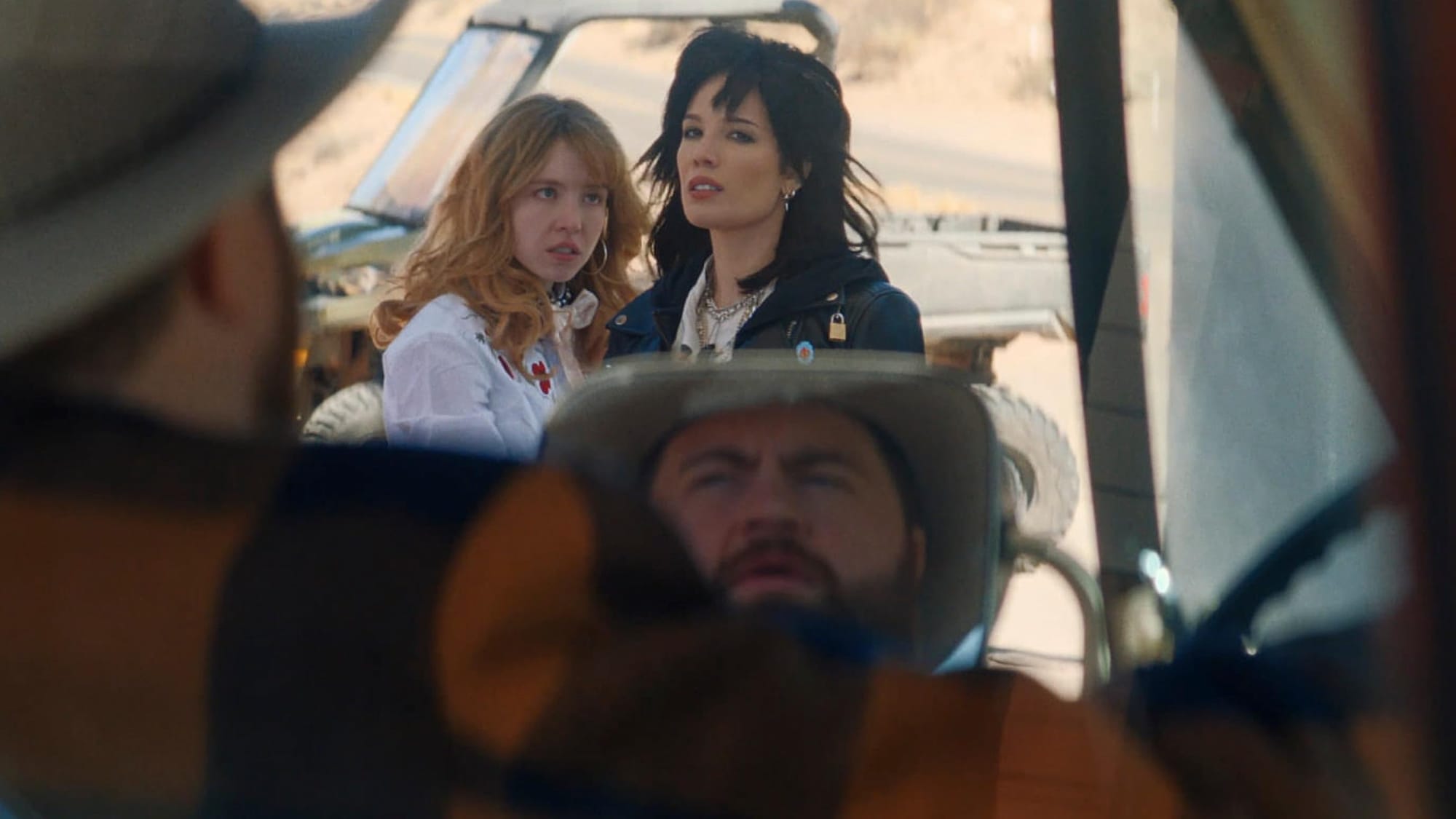
Last month, 1,100 theaters across the country showed a movie ostensibly set in rural South Dakota. The film, “Americana,” features Sydney Sweeney as a small-town diner waitress on the hunt for a rare Lakota ghost shirt. Singer Halsey and Hunkpapa Lakota actor Zahn McLarnon also star.
However, South Dakotans who watched “Americana” may have left confused at how the state was portrayed – vast, arid deserts and low, Southwestern-style buildings.
That’s because it was shot entirely in New Mexico.
Sydney Sweeney, Halsey and Paul Walter Hauser star in “Americana” – set in South Dakota but entirely filmed in New Mexico. (Photo: Nigel Bluck)
And it isn’t the only one: the 2017 film “South Dakota” was, despite its name and setting, filmed across the border in Iowa; “Wild Bill,” a 1995 movie starring Jeff Bridges, is set entirely in Deadwood but was filmed in California.
Lack of film incentives can deter filmmakers
Steve Rausch, who spent most of his career in South Dakota as a provider of video production services, moved his business, Focused Motion Media, to Nevada early this year.
He told News Watch that even though South Dakota has been featured in dozens of iconic films and has played host to filming in many, a lack of filming incentives could cause productions to look elsewhere to shoot movies and television shows – even those that rely on South Dakota as their setting.
Film incentives are programs offered state-by-state that encourage productions to shoot in the area. Those usually take the form of tax credits but can also include cash grants or free shooting locations.
South Dakota does not have any film incentive programs. One of only nine states not to have one in place, it acts as a proverbial island in the Midwest, where Minnesota and Iowa to the east, Wyoming to the west and Nebraska to the south have programs.
Those states may draw filmmakers who want to shoot in South Dakota just a few miles away, with similar landscapes and geography, instead, Rausch said.
“Unfortunately, the industry has evolved to where these incentives are vital to production. So if a state doesn’t have one, they’re crossed off the list immediately,” Rausch told News Watch. “A lot of times the rural Western landscape of South Dakota is actually Wyoming or Colorado.”
Get South Dakota stories
An email summary on most weekdays that links to the full version. Cancel anytime.
New Mexico, where “Americana” was filmed, has one of the most robust incentive programs in the country. Eligible productions receive a minimum tax credit of 25% – which can be instrumental in getting a film over the line, Rausch said.
“If someone gives you a proposal and says that’s going to be $100,000. Then somebody else says, well, it’s going to be $80,000. Where do you go? You go to the $80,000,” Rausch said.
Film industry brings economic benefits to local communities
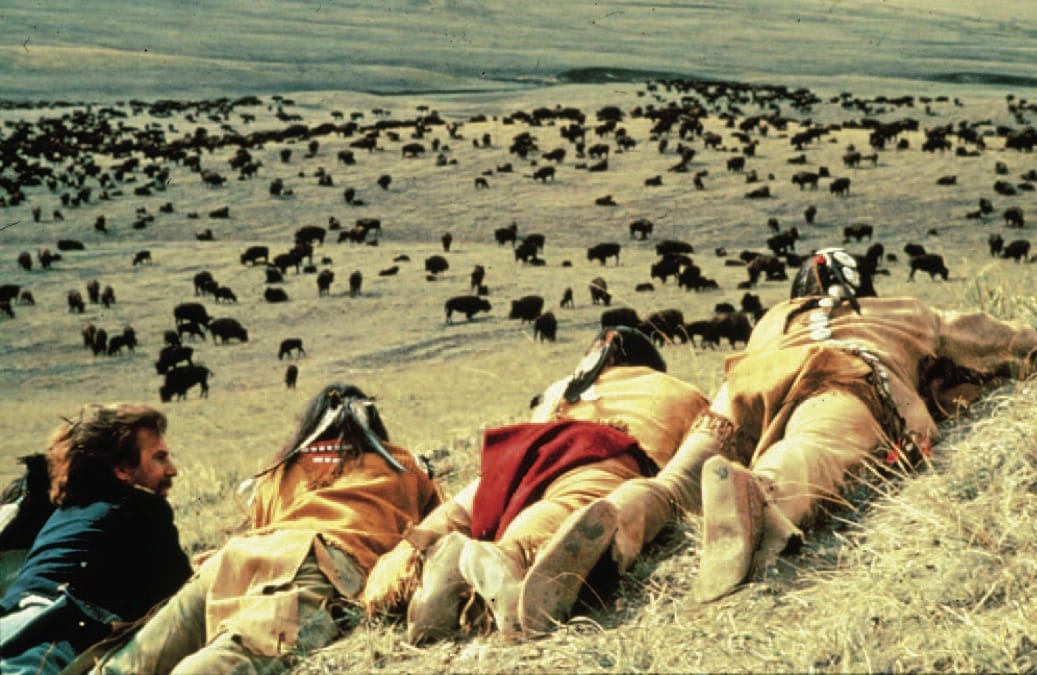
When a major production comes to town – like “Dances With Wolves,” which was filmed in western South Dakota in 1989 – it brings more than just buzz about the movie to the area. Production crews often stay in hotels or rental properties on-site, and in many cases, contract local workers.
“It’s not just (the film industry) that’s affected by this. It’s all of the small mom-and-pop shops that would be providing meals, catering, hotels, car rentals … everything that’s needed to sustain between 10 and 50 people for a month,” Rausch said. “It just so happens that they’re coming to the area to practice film. But from gas stations to snow cone trucks, everybody benefits from it.”
“If you’re open to the magic, South Dakota is going to provide. … But you have to be open to it.” – Kate Beecroft, director of “East of Wall”
Tracy Mailloux, owner of Gator Grip and Lighting and administrator of the South Dakota Film and Television Association, said that when a state promotes itself during a film’s rollout, the effects last far beyond the initial release.
He gave Georgia as an example, which provides a tax credit to films that include the state’s logo somewhere in the completed project and a link to the state’s filming website on promotional materials.
“If you’re promoting things, a lot of people might think, that’s a beautiful scene. Where did they shoot this? Oh, they shot it in South Dakota. We should plan a trip there,” Mailloux said.
Film incentive programs may be challenging in South Dakota
Rausch said he led a campaign to instate, or establish, a film incentive program in the state nearly seven years ago. That campaign also aimed to move film resources to the Governor’s Office of Economic Development from the Department of Tourism, where all film queries are currently directed.
It was unsuccessful, mostly because of the logistics and fiscal allocations required to create and maintain a film office in the state, Rausch said. Although South Dakota formerly ran a film office affiliated with the state, that initiative was disbanded in 2007.
“Since the film tax incentive wrapped up a number of years ago, we’ve focused on serving as a resource — connecting production companies with South Dakota’s film industry and helping guide them toward the right local or federal contacts for permits and permissions,” a representative from Travel South Dakota said in a statement.
Travel South Dakota’s website provides information on key benefits for filmmakers in the state as well as a link to the South Dakota Film and Television Association, which maintains a database of local cinematographers, actors and other industry workers.
Play a bigger role in our storytelling.
Join us as a partner in telling stories that are important to all South Dakotans with a tax-deductible donation.
Mailloux said instating a film tax incentive may be difficult for a state that does not already see many big-budget features coming to the area.
“You’re going to have to have a state auditor going through all the receipts and making sure everything lines up, you know? So then you’ve got to fill in that position. And is that position enough to keep them busy year round? I don’t know,” Mailloux said.
Rausch has not given up on finding a compromise for the state. There are alternatives to film incentives that may prove beneficial to the small but growing industry in the state without dedicating large amounts of dollars and resources, he said.
“I think small steps of at least having people that understand what this business is and how to translate it (to legislators and filmmakers) would make huge grounds,” Rausch said.
Independent and local film thrives in South Dakota
A lack of direct financial film incentives may prevent large, out-of-state productions from coming to town, but it is not necessarily a death sentence for the South Dakota film industry.
Documentaries, especially those that highlight nature or tell Indigenous stories, have been prolific sources of film activity in South Dakota.
Independent films also seem to be a sweet spot for the state, where strong local ties and community interest in regional stories abound.
“There’s three or four films that have been shot this year alone in South Dakota, all independent features,” Mailloux said.
One reason South Dakota can be appealing to independent filmmakers is the lack of permits needed to shoot in the state. Unlike most other areas, where productions need to apply for permission and pay a fee to shoot at a location, South Dakota has a relatively open environment for filming.
Independent and local films, which typically have smaller budgets and crews, are able to harness the state’s wide open spaces and lax requirements for permits in their favor.
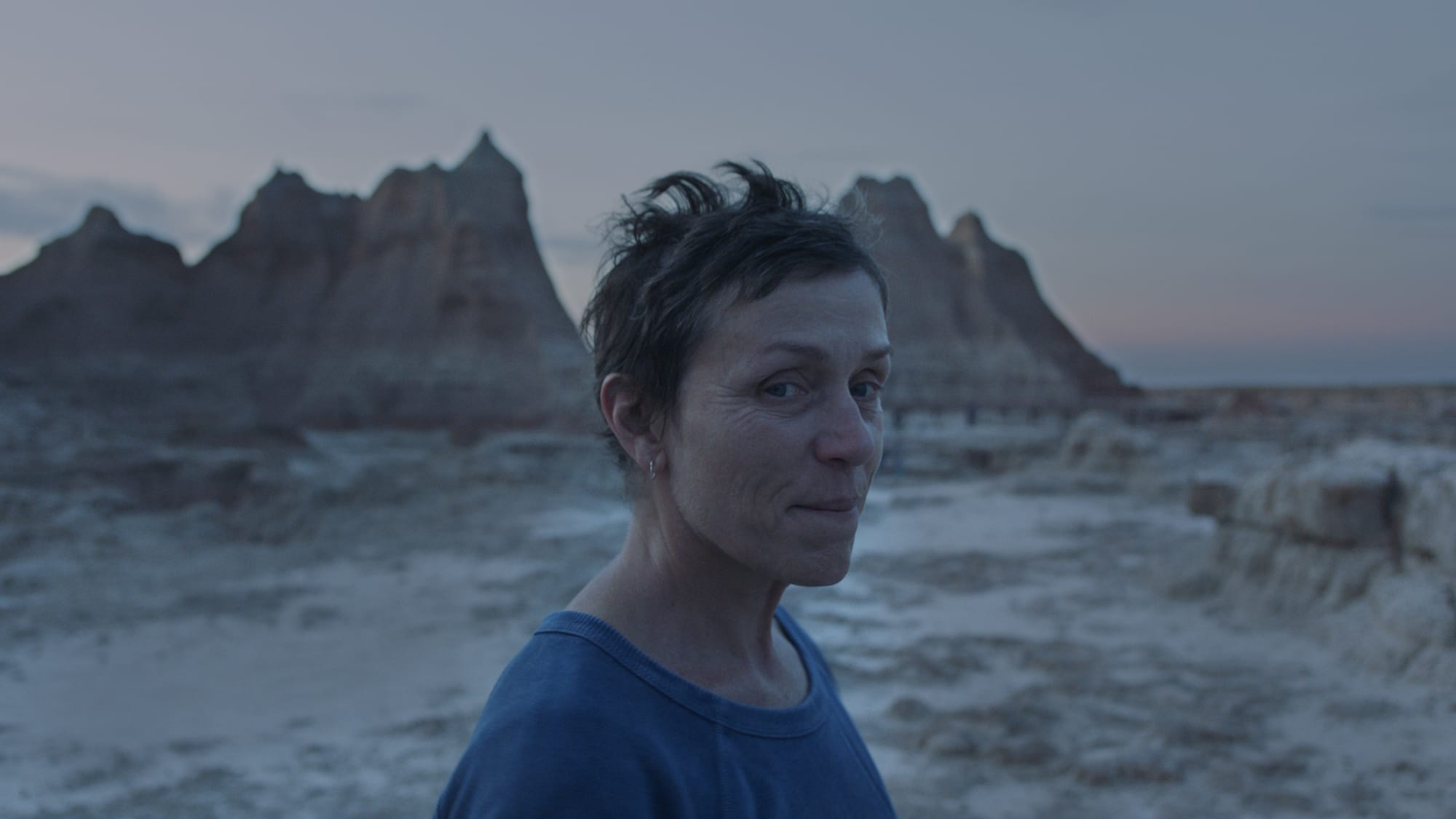
Frances McDormand, as Fern, in the Badlands of South Dakota for “Nomadland.” (Photo: Joshua James Richards)
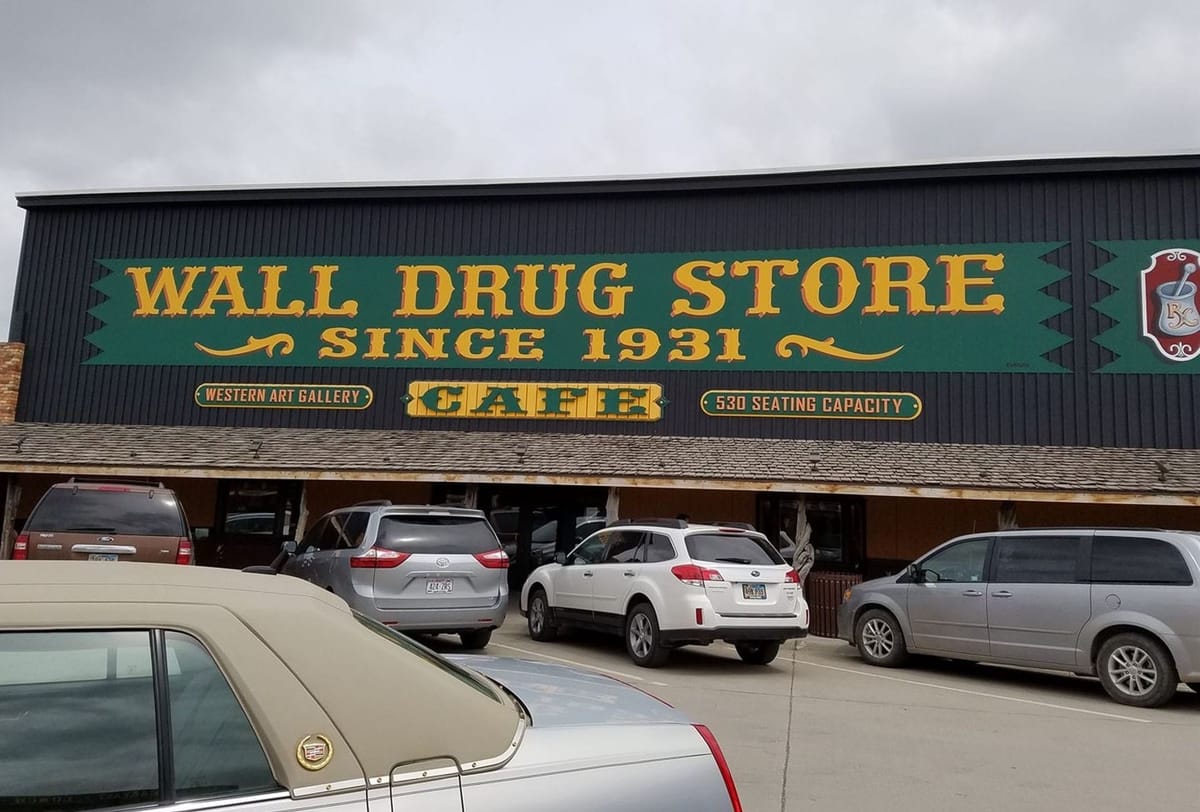
“Nomadland,” Chloe Zhao’s independent Oscar-winning film, finds its main character, played by Frances McDormand, spending much of the middle act in the Badlands and Wall Drug.
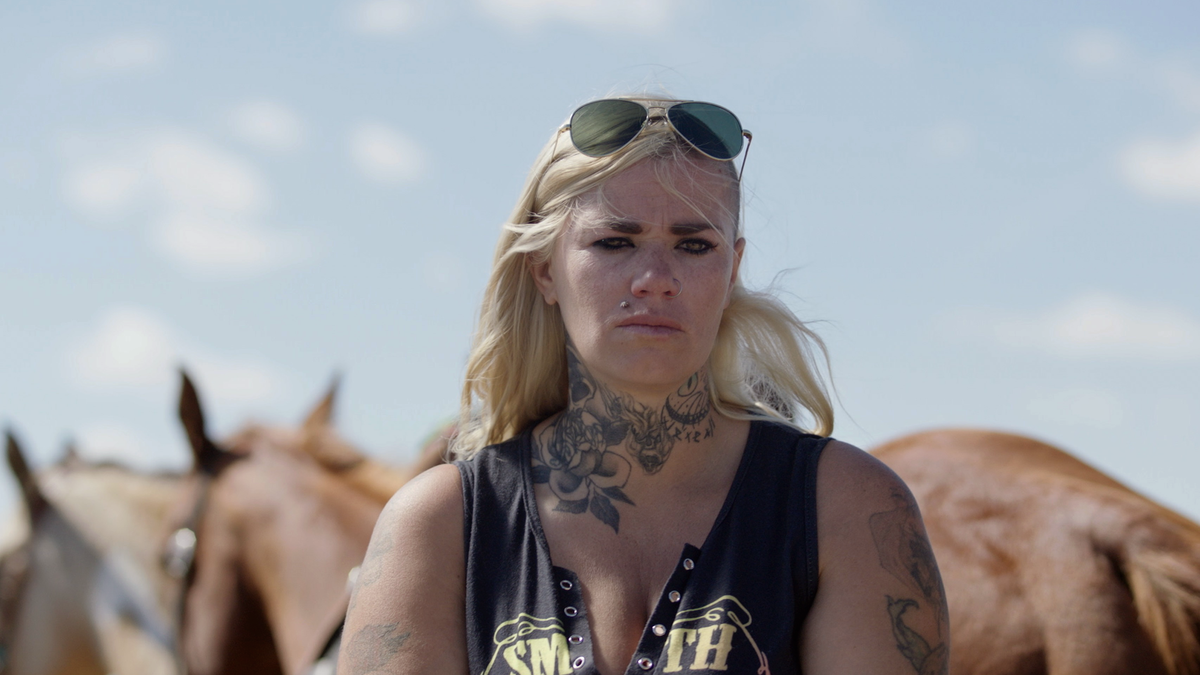
Western South Dakota’s “East of Wall,” also an independent film, saw major success at the Sundance Film Festival, was purchased by Sony Pictures Classics and recently had a sold-out run at the Sioux Falls State Theatre.
“Fall Is A Good Time To Die” is a film written and directed by Sioux Falls native Dalton Coffey, which The New York Times called “sublime.” It is set and was entirely shot in the vast prairies of central South Dakota.
The smaller population, although it may cause worries about the size of the industry, can also be a major plus to some filmmakers, Mailloux said.
He told the story of a film about the Battle of Little Bighorn, which was originally set to shoot in Montana. One South Dakotan on the crew saw the benefit of shooting elsewhere and sent the production to the state.
“He said, ‘Look, you can shoot there, but you look behind you, you’re going to see the road. There’s a lot of tourism. Over here, there’s a visitor center. Let me bring you to South Dakota. Just entertain me. You don’t have to pay me for the day, and I’ll show you the exact same landscape.’ And they ended up shooting that film in South Dakota just because it was more conducive to what they were doing,” Mailloux said.
And there is no substitute for certain landscapes.
Both the Badlands and Mount Rushmore National Memorial are such unique South Dakotan features that filmmakers cannot replicate them anywhere else, Rausch said.
Kate Beecroft, director of “East of Wall,” told News Watch that filming in South Dakota allowed her to tell a story that was entirely unique to the state.
“If you’re open to the magic, South Dakota is going to provide,” Beecroft said. “But you have to be open to it.”
This story was produced by South Dakota News Watch, an independent, nonprofit organization. Read more stories and donate at sdnewswatch.org and sign up for an email for statewide stories. Investigative reporter Molly Wetsch is a Report for America corps member covering rural and Indigenous issues. Contact her at molly.wetsch@sdnewswatch.org.
Fact brief: Is South Dakota projected to have one of the worst nursing shortages by 2030?
Yes.
South Dakota is one of seven states that is expected to have a shortage of nurses by 2030.
According to a report released by RegisteredNursing.org using Bureau of Health Workforce data, South Dakota will be 1,900 nurses short of demand by the end of the decade, 14% less than what is needed. That’s projected to be the third worst in the nation, behind Alaska (22.7%) and South Carolina (-16.6%).
The nursing shortage in South Dakota is exacerbated by the state’s rural areas because of the distance to health care facilities as well as economic challenges, among other factors.
WalletHub ranked South Dakota 45th in the nation in a list of “best and worst states for nurses.”
The website ranked states for salaries, quality and number of nursing schools, nurses per 1,000 residents and other categories related to workplace satisfaction.
This fact brief responds to conversations such as this one.
South Dakota News Watch partners with Gigafact to publish fact briefs that refute or confirm a claim with supporting information and additional evidence and context.
This story was produced by South Dakota News Watch, an independent, nonprofit organization. Read more stories and donate at sdnewswatch.org and sign up for an email to get stories when they’re published. Contact Michael Klinski at michael.klinski@sdnewswatch.org.
From barn to table: How agritourism is reviving rural South Dakota
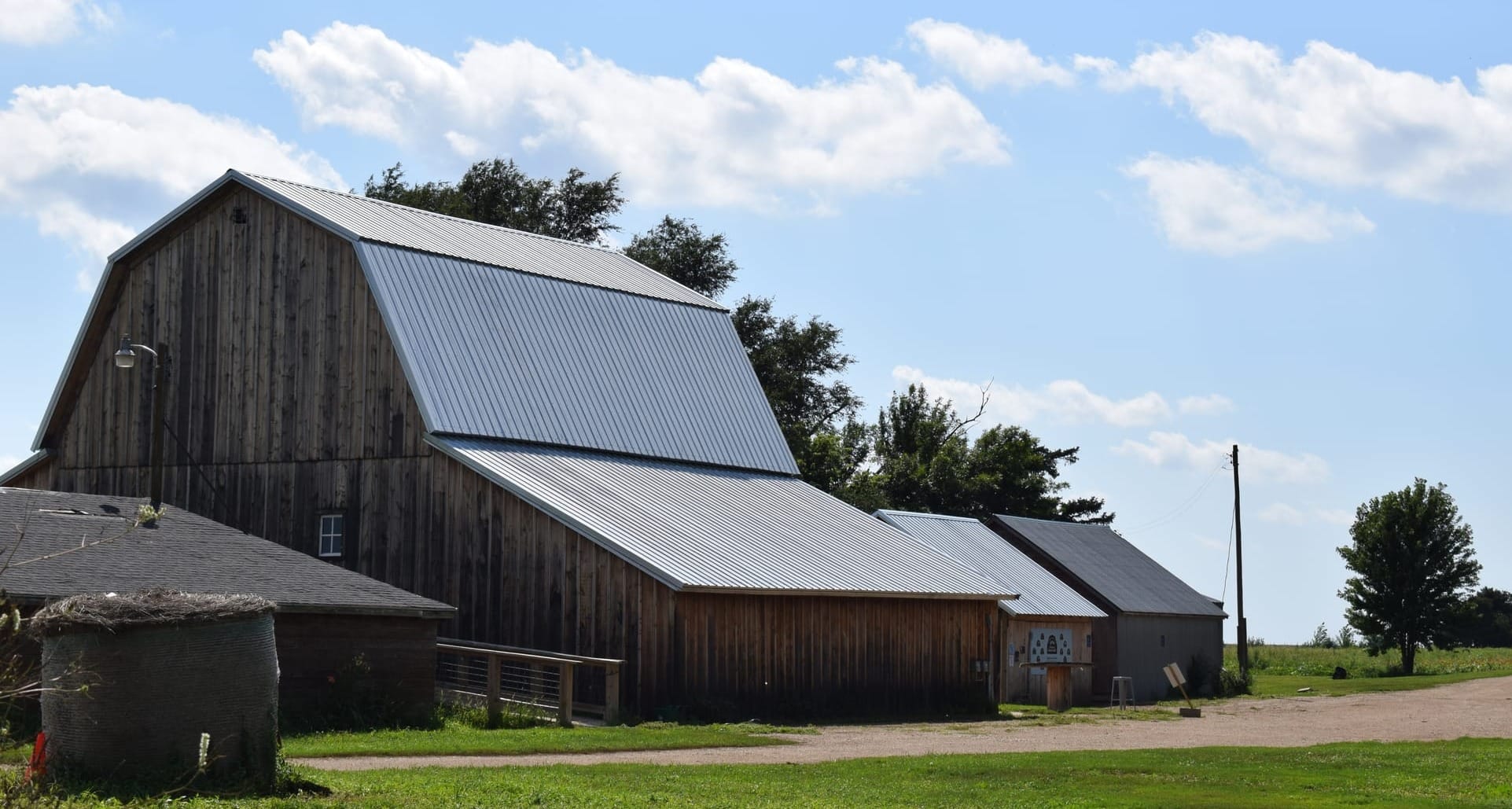
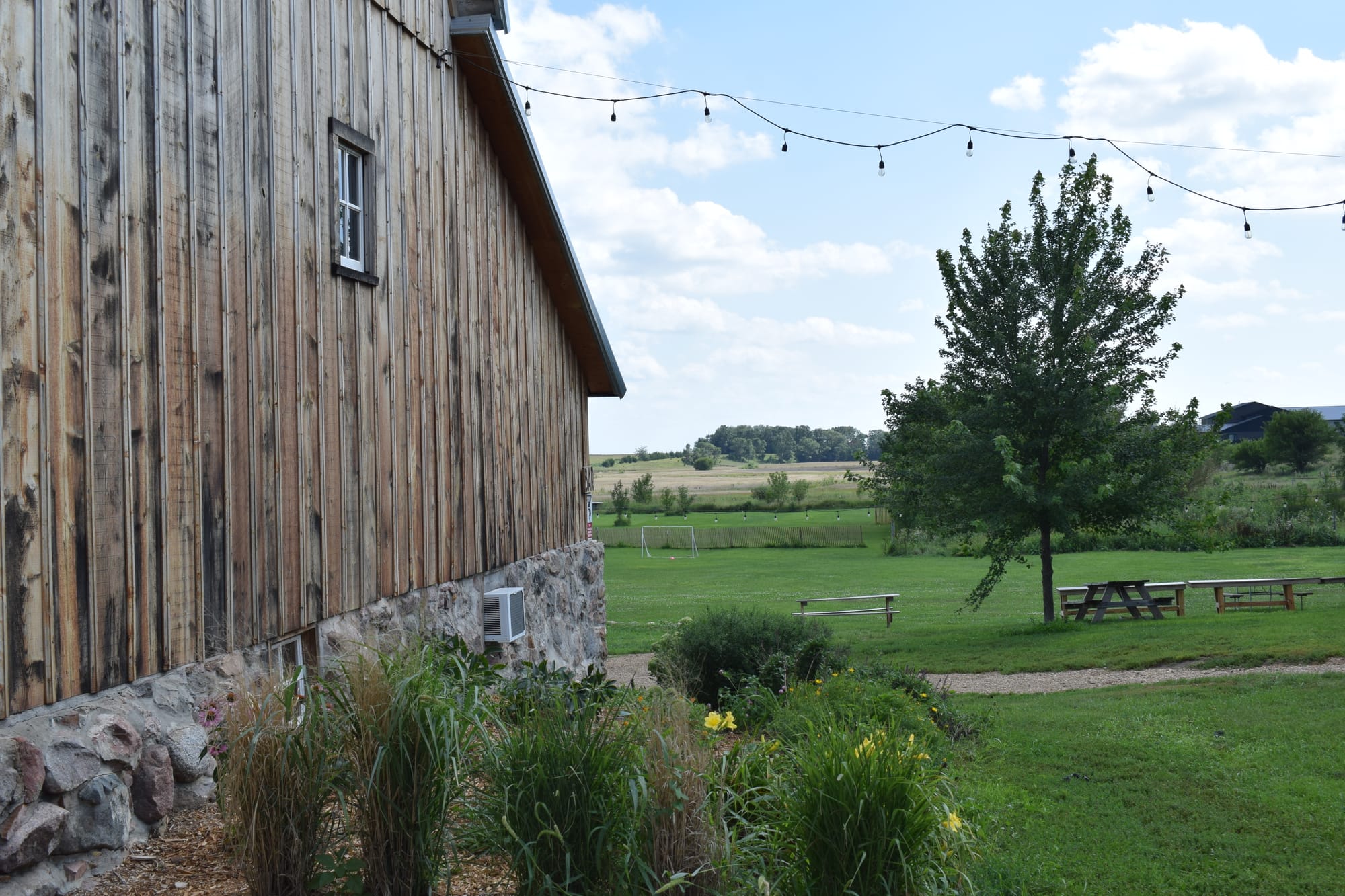
LENNOX, S.D. – Just 20 minutes away from South Dakota’s biggest city is an unexpected oasis. Chickens and geese freely roam, goats bleat for treats and a traditional barn with a shining metal roof towers over the prairie. There, people gather every Friday and Sunday in the summer and eat farm-to-table pizza made in a wood-fire oven while enjoying the outdoors.
This is the Good Earth Farm outside of Lennox, and it represents a growing trend across the state of “agritourism,” which attracts visitors to farms and ranches to try everything from flower picking to farm tours.
Nancy Kirstein, who runs the farm with her husband, Jeff, bought the property in 2011. It started as a Community Supported Agriculture (CSA) program, where they sold the produce that they grew on the farm.
That, Kirstein said, didn’t give them the financial freedom to use the farm to its full potential, including the complete renovation of the barn that is now its centerpiece.
Her husband eventually had to return to work full-time and she worked part-time. But Kirstein knew that she wanted to continue working with the land and growing produce.
“That’s really the very heart of it. You have a connection to the land and you want to preserve it and all of that stuff,” Kirstein said to News Watch. “But it doesn’t pay the bills. So then you’ve got to figure out what does.”
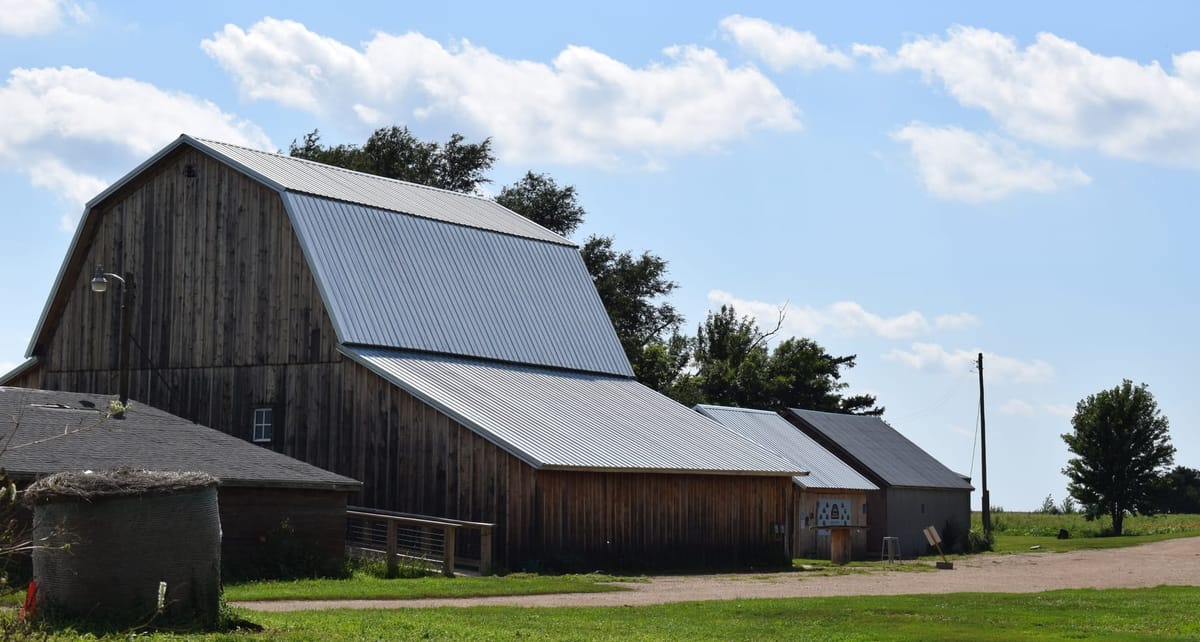
The exterior and seating space of the Good Earth barn near Lennox, S.D., on Aug. 21, 2025. (Photo: Molly Wetsch/ South Dakota News Watch)
Kirstein joined the AgritourismSD program run by South Dakota State University Extension after beginning repairs on the barn in 2019. That program provides farmers and ranchers with resources and training to create successful agritourism ventures over the two-year program length. There, she honed her idea to serve food and drinks at the farm.
Now, the farm sees customers twice a week, hosts a Labor Day “Blood Run” event and has started to offer flower picking in its colorful zinnia patch. This month, Kirstein and the Good Earth team made a record number of pizzas in one night, with 237 on Aug. 24.
Visitor spending increases in rural communities across the state
Perhaps the most appealing facet of agritourism to many is its broad nature: everything from pumpkin patches to hunting lodges to wineries fall under the umbrella. And all have a place in rural South Dakota.
Tourism data from 2024 indicates that several counties in the state had a spike in visitor spending. Most of those are rural, including Ziebach and Turner counties and Potter County, which saw the largest percent change in spending growth in the state. It has a total population of about 2,500.
Kirstein said that the appeal of agritourism often comes from the peaceful, nostalgic nature of rural communities – and its relative novelty for city dwellers.
“I think we’re getting to the point where a lot of people used to have a connection to a farm, maybe from the parents or the grandparents, and remember being in that space. But there’s not a lot of opportunity to be in those spaces anymore,” Kirstein said.
Annual events draw nationwide visitors
The rise of agritourism isn’t limited to season- or year-long ventures, though.
Beth Simonson founded the Highmore Sunflower Festival in central South Dakota last year. The one-day event attracted more than 500 attendees on Aug. 16 this year from more than 11 states, she said.
“There was a couple from Louisiana this year. They saw something about sunflowers on public television and came to central South Dakota specifically to come to the sunflower festival,” Simonson said to News Watch.
Highmore, which has a population of about 700, has seen significant impact from the festival, even in its infancy.
“All the vendors that were in the park did really well. I sold a ton of T-shirts. We had two food trucks and they were super busy. And even the grocery store had a ton of people come in,” Simonson said.
The festival was also a product of the AgritourismSD program, and Simonson started it as a way to highlight the hard work of farmers across the state who work on sunflower fields. She hopes the festival provides both education and engagement to those unfamiliar with the practice.
“You need to respect the producers. You know, don’t go cutting the sunflowers. That’s their livelihood,” Simonson said. “That’s my favorite part, is that we’re educating people about our sunflower fields from all over the country. That’s what I wanted to do from the beginning.”
Support stories about rural South Dakota with a tax-deductible donation.
Both this year and last year, the festival received a grant from the South Dakota Department of Tourism through the Tourism Advertising Promotion (TAP) program, which allowed Simonson to promote the festival across the state.
That program will not be available next year, Simonson said, so she has begun to think about alternate ways to get the word out about the quickly-growing festival, including through social media and sponsorships.
“Now that we’ve done it and had success, I think we can go after some more sponsors because we can say, ‘Look what we’re doing. We brought people to South Dakota,'” Simonson said.
Zoning rules vary by county
But the fast-growing and ever-changing nature of agritourism has put some strain on the businesses as they develop.
Kirstein explained that differences in county-by-county planning and zoning ordinances make it difficult to understand what’s allowed and where – especially for those who may not be familiar with the rezoning process required to host events, serve food or provide tours.
In the case of the Good Earth Farm, struggles with planning and zoning caused significant stress for the Kirsteins.
“I’ve been in front of the zoning committee four times. We were once doing a big open house on Memorial Day weekend. We were going to have live music, they were going to be in the barn, and I got an email from the county saying, ‘You can’t have people in your barn,’” Kirstein said.
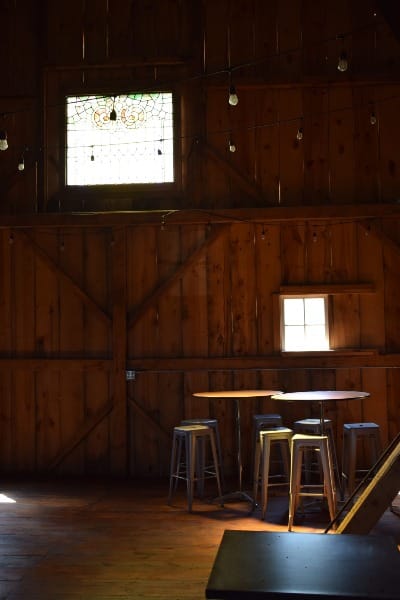
The interior of the barn at the Good Earth Farm near Lennox, S.D., on Aug. 16, 2025, which is used for weddings and other events. (Photo: Molly Wetsch/ South Dakota News Watch)
While neighboring Minnehaha County has a specific ordinance and permit process for agritourism, Lincoln County does not. That issue sparked a conversation in Lincoln County about how to zone for farms that use agritourism as a secondary form of income.
The permanent solution to the problem was eventually found in the form of a planned development zone, which allows farms to maintain their status as agricultural producers while engaging in other commercial activity. It’s similar to a mixed-use development in urban areas, said Lincoln County planning director Toby Brown.
While farms in Lincoln County may now have a bit more clarity, Kirstein worries about other, smaller producers in counties without procedures in place to support agritourism.
“There are other farms that do similar things but not to our scale, and it’s mostly because they can’t,” Kirstein said. “We were able to get there mostly through desperation and tenacity to say, ‘No, we need this.'”
For Kirstein and Simonson, agritourism represents an opportunity to bring vitality to rural communities while also reminding visitors of the agriculture industry’s deep importance in the state, especially as growth in cities like Sioux Falls sparks national attention.
“Giving people this connection, being able to get people out into a space like this, helps them understand why we need to preserve spaces like this,” Kirstein said.
This story was produced by South Dakota News Watch, an independent, nonprofit organization. Read more stories and donate at sdnewswatch.org and sign up for an email for statewide stories. Investigative reporter Molly Wetsch is a Report for America corps member covering rural and Indigenous issues. Contact her at molly.wetsch@sdnewswatch.org.
State’s median household income doubles, but rising costs a challenge
Melissa Avelino is a data journalism student at Augustana University. In this series, she looks at the changing face of South Dakota using U.S. Census data.
South Dakota’s median household income more than doubled over the past two decades, from $37,618 in 2000 to an estimated $72,421 in 2023, according to U.S. Census data and analysis.
“Incomes are rising in the communities that are growing, for example, the ZIP codes in Sioux Falls,” said Jared McEntaffer, CEO of the Dakota Institute. “But you can also see incomes growing in smaller farming communities as well.”
Get South Dakota stories
An email summary on most weekdays that links to the full version.
Incomes in rural areas can rise and fall to a greater extent than in towns and cities, where incomes are mostly driven by wages rather than farm income, he said.
The data and takeaways
With the state’s median household nearly doubling over the past 20 years, the following map shows each median household income by ZIP Code in 2023.
The following graph tracks the income growth since 2000. The state’s median household income increased from $37,618 in 2000 to $72,421 in 2023.
South Dakota has seen a consistent growth in the overall number of workers, with the number of employed South Dakotans over 16 years old increasing from 391,594 in 2000 to 457,450, representing nearly 50% of the state’s population.
South Dakotans below the poverty line have decreased to 11.8% over the years. However, 7.4% of the South Dakota families were still in poverty status in 2023.
The following graph tracks families in poverty status and civilian employment since 2000.
Recent grad’s fair wages
Though the median income is up significantly, real wages that are adjusted for inflation have been growing at around 1.5%, McEntaffer said.
“They’re not growing as quickly as like I’d like to see,” he said. “Typically, when people have more expenses, you know, student loans, or they have those child care costs, things like that, so their earnings are lower.”
Lui Gabriel Pinto is part of 7% of workers in South Dakota who are in the finance and insurance industry. He graduated from college with a job opportunity already set up for him in the state.
Lui Gabriel Pinto and his father, Luiz Fernando Marques Pinto, during his graduation in May 2025 (Photo: Lui Gabriel Pinto).
Pinto worked for his company as an intern during the summer of 2024, after the summer he got hired as a part-time employee while he was completing his senior year at college in South Dakota.
“During my time as a part-timer, I really liked the company,” he said. “So when graduation was getting close, I told them that I would like to stay and they hired me as a full-time.”
Join other South Dakotans and support statewide storytelling.
Pinto sees his wages to someone at your age as fair. According to him, he is just starting and does not have big expenses besides rent, groceries and gas.
For Pinto, the hardest part of being a young adult and financially independent is knowing when the right time is to make some money decisions.
“I feel like it’s this maturity about when the right time is to buy new shoes or a new car,” he said. “And also know how to plan your future financially.”
Lui Gabriel Pinto and his girlfriend, Whitley Olinger, in South Dakota 2025 (Photo: Lui Gabriel Pinto)
Pinto shares this mindset when he thinks about starting a family, he believes that it also has to have the right time.
“Right now would be possible, but not ideal, financially,” he said. “But where I am right now is a cool place, I like my job, and I want to have more experience and opportunities, so it is a good place to start to think about the future.”
Pinto sees South Dakota as an excellent place to start as a financially independent young adult.
“The state is growing fast with new business and is really cheaper to live here,” he said. “So you can save more money, and also they pay well.”
Assistance need increasing
However, many South Dakotans are having a tough time covering increased expenses, said Amy Carter, the chief operating officer of the Helpline Center in South Dakota.
“We have seen some increased need for rental assistance, utility assistance,” she said. “People who are struggling with food insecurity, even just basic needs such as shelter, clothing, furniture, items like that.”
“We did have a mom reach out not too long ago who recently got child care and she was qualified for the program that helps pay for child care,” Carter said. “And she had not been able to work because she didn’t have quality child care that she could afford.”
Helpline volunteers working in the Sioux Empire United Way, April 2025 (Photo: Helpline Center).
The mom is now getting the pieces in place because now she is able to get a job, which is going to lead her to being able to pay her rent and other expenses, she said.
“There are just a lot of barriers that come up, and we have people who are doing everything right, and they’re still struggling to make ends meet,” Carter said. “My hopes are more opportunities for good-paying jobs or opportunities for low-income quality housing, affordable child care, all of those things.”
This story was produced by South Dakota News Watch, an independent, nonprofit organization. Read more stories and donate at sdnewswatch.org and sign up for an email to get stories when they’re published. Melissa Avelino dos Santos is a student from Rio Branco, Acre, Brazil, at Augustana University in Sioux Falls. She is a summer 2025 intern at SDNW with support from the Nonprofit Newsroom Internship Program created by The Scripps Howard Fund and the Institute for Nonprofit News. Contact Melissa: melissa.avelino@sdnewswatch.org.










 NEWELL, S.D. – Tariffs, an international trade war and other market conditions are creating great volatility across the South Dakota agricultural industry, with West River ranchers celebrating record prices and some East River soybean and corn farmers facing potential financial disaster.









 Melissa Avelino is a data journalism student at Augustana University. In this series, she looks at the changing face of South Dakota using U.S. Census data.