Texas delegates will vote on new nominee after Joe Biden withdraws from presidential race
More than 200 Texas Democrats will vote to select a new nominee for president at the Democratic National Convention in Chicago.

A local man was in front of the Stephens County Courthouse tonight, Saturday, July 13, 2024, showing his support for former U.S. President Donald Trump, who was wounded after gunshots rang out at a campaign rally this evening.
“Our prayers are with President Trump and those injured and impacted by today’s tragedy. Political violence is completely unacceptable, has no place in democracy, and we pray for justice, civility and peace,” State Rep. Glenn Rogers, who represents District 60, said in a statement issued a little after 7:30 p.m. District 60 includes Stephens, Palo Pinto and Parker counties.
Details on the incident are still coming in, and the Associated Press is updating the story as news is confirmed. Click the following link for the main AP article: Shooting at Trump rally is being investigated as assassination attempt, AP sources say. And, click here for Live Updates to the story.
The post Local support shown for Trump after shooting at rally first appeared on Breckenridge Texan.


When the Rampage Wrestling event comes to Breckenridge later this month, a portion of the ticket sales and all of the concession stand proceeds will benefit the Breckenridge Independent School District.
The wrestling promotion company from Lubbock will present “Boomtown Beatdown” on Saturday, June 29, at the Breckenridge High School main gym, on the corner of Second and Live Oak streets.
Casey Pearce, BISD Athletic Director, said the 50/50 ticketing split will provide funding for the LiveStream Team at BHS. “Calvin Best and crew will be the beneficiaries of the event. The funds will help them purchase equipment to expand the growing Livestream Program,” Pearce said in an email. “Additional cameras, generators, equipment cases, and tripods are needed to further this group’s reach with athletics and other extracurricular activities. They plan to go live at the Stephens Co. Stock Show in 2025 and on the road for the fall football season.”
Additionally, the concessions, another key aspect of the school’s fundraising, will be managed by BISD Athletic Department volunteers, including the Pearce family and a few others. “The support of others is invaluable in making this event a success,” Pearce said. “We’re grateful for their commitment and look forward to a fun-filled event.”
Tickets to the event cost $10 each for general admission and $20 for VIP and can be purchased online at www.RampageWrestling.eventbrite.com or at the door on the night of the event.
The doors are scheduled to open at 6 p.m. for VIP ticket holders and at 6:30 p.m. for general admission. The bell time will be at 7 p.m.
According to the promotional information on the Rampage Wrestling Facebook page, the matchups will include Jamie Holley vs Sonny Guapo, Ryder Cage vs The Son of Black, Lucha Dad vs DL Hartley, and more.
The post Upcoming wrestling event in Breckenridge to benefit BISD first appeared on Breckenridge Texan.


By Carla McKeown/Breckenridge Texan
The Breckenridge City Commission election is scheduled for Saturday, May 4, and early voting starts next week. Mayor Bob Sims is running unopposed, but the two city commissioners who are up for re-election this year are facing competition.
Place 1 Commissioner Blake Hamilton and Place 2 Commissioner Rob Durham are the incumbents in this election. Also running are Tony Patterson for Place 1 and Greg Akers for Place 2. Their profiles are featured below.
Early Voting will be held from 8 a.m. to 5 p.m. April 22-26 and April 29-30 at the City Offices, 105 N. Rose. Ave.
On Election Day, May 4, the polls will be open from 7 a.m. to 7 p.m. at the City of Breckenridge’s office at 105 N. Rose Ave.
In addition to the city commissioner and mayor races, the ballot will also include an item for the citizens to vote on regarding the reauthorization of the local sales tax in the City of Breckenridge at a rate of a quarter percent (.25%) to continue providing revenue for maintenance and repair of municipal streets. The Municipal Sales and Use Tax for Street Maintenance was originally put in place with an election in 2004. The tax code authorizes cities to impose a special sales tax to fund street maintenance if the combined local sales tax rate will not exceed 2%. An election is required to be held and voters must approve the additional sales tax every four years.
The Breckenridge Texan submitted a list of questions to the candidates for the two City Commission positions that are up for re-election this year. They were all issued the same questions, and their answers are listed below.
The candidates are featured below in the same order that their names will appear on the ballot.
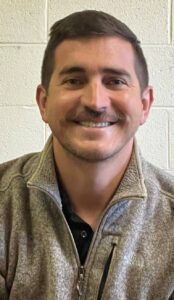
Blake Hamilton
What is your current occupation?
Engineering Manager at Breck Operating
Tell us a little bit about your family.
I am the youngest of four siblings. I was born and raised in Breckenridge and have lived here my entire life except during my college tenure. I plan to one day raise a family full of Buckaroos.
What are your community involvements/civic affiliations?
I currently serve on the Breckenridge Downtown Development Council and the Breckenridge Fine Arts Center Board. I previously served on the Stephens County Tax Appraisal Review Board and BISD’s Facilities Planning Committee.
Also, I am currently serving my appointed term as City Commissioner Place #1 and have been since September of 2022.
What is your education/military service?
I graduated from Breckenridge High School in 2011 before continuing my education at Texas Tech University. In 2016, I earned my degree in Petroleum Engineering.
What training, experiences and characteristics qualify you for this position?
Having served on the City Commission since September 2022, I have gained an understanding of the duties essential to this role as well as having completed the necessary training and continuing education courses. I do not take the responsibility of overseeing the City’s management lightly and will continue to listen to the concerns of the citizens and the employees.
What do you think are the top three most important issues facing the City of Breckenridge and what would you do to address them, if elected or re-elected?
If you have lived here for long, it’s no secret that our infrastructure is in need of significant improvement. While our current staff has made great efforts to enhance our streets and intersections, much remains to be done. I will make sure that the original planned infrastructure projects proceed as scheduled as well as any necessary future improvements.
Additionally, the issue of neglected properties diminishes the beauty of Breckenridge. By the hiring of a full-time Code Enforcement Officer, offering city-wide clean ups, and continuing to allow the public use of the Convenience Station, as a team, we can make strides to make Breckenridge beautiful.
Lastly, keeping a balanced budget while continuing to make improvements is of the utmost importance. Fiscally responsible spending is not a current issue facing the City, but it easily could become one. I plan to make sure that the City’s leadership continues to handle the public’s tax dollars in an efficient manner.
Where would you like to see Breckenridge in the next 5 to 10 years?
Being only 100 miles from the metroplex, my hope is that we can grow to become a destination for young people to start and raise families. By addressing our infrastructure, aesthetics, and leadership – we can accomplish this goal. We have made great improvements in our downtown area and heavily trafficked roads in recent months, now we need to keep the momentum and see to it that Breckenridge becomes a place where people want to live and raise families.
What do you hope to accomplish as a member of the Breckenridge City Commission?
As a member of the Breckenridge City Commission, I want to be a bridge between the citizens of Breckenridge and city management. I am dedicated to ensuring that every voice in our community is heard and valued. Breckenridge has a wealth of resources and potential, and I am committed to building upon the progress made in the past to make Breckenridge a great place to live.
Is there anything else you would like to say to the voters of Breckenridge?
I encourage everyone to serve our community. We cannot expect growth without also being willing to help. Whether it be picking up garbage down the road, calling to report a water leak, or simply thanking a public officer, the success of Breckenridge is in all of our hands.
I would be honored to continue serving as City Commissioner Place #1 and am excited to see the future of Breckenridge.
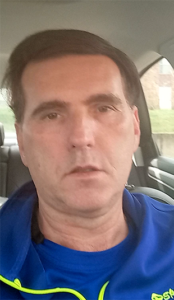
Tony Patterson
What is your current occupation?
Spanish Teacher at Breckenridge HS
Tell us a little bit about your family.
I have two daughters and a son. My daughters attend University of Houston and Blinn College. My son is a senior at Breckenridge HS.
What are your community involvements/civic affiliations?
I worked for the Oklahoma Republican Party during my time at Oklahoma Christian University from 1992 until 1996. My teacher, Mike Osburn, for Campaigns and Elections class worked on Ronald Reagan and George Bush Senior’s former campaign team and was Campaign Manager for Governor Frank Keating, who was governor of Oklahoma at that time. I worked with Governor Keating and Mike Osburn, who is currently an Oklahoma State Representative, to help victims during the Oklahoma bombing in 1995. In Houston, I did a speech with Mayor Bill White and helped people who were losing their homes because of the Subprime Mortgage Crisis at that time from 2007 until 2010. I appeared on Great Day Houston, a talk popular show in Houston with host Debra Duncan, alongside Congresswoman Sheila Lee Jackson to discuss the mortgage crisis and how both the Democrats and Republicans were working to help those in need. We helped thousands of people avoid foreclosure and refinance their homes with government plans and assistance.
What is your education/military service?
Bachelor’s Degree from Oklahoma Christian University in Spanish with a minor in Social Studies. Graduate work at Western Governors University in Education.
What training, experiences and characteristics qualify you for this position?
Number one is my love for Breckenridge and the people here. I was born and raised in Breckenridge. I left in my 20s to find employment opportunities but have since returned. I want to see Breckenridge prosper.
What do you think are the top three most important issues facing the City of Breckenridge and what would you do to address them, if elected or re-elected?
The roads need to be fixed. I want to see restaurants and retail shops be successful. There aren’t a lot of choices for residents to choose from for shopping and eating out. I want to see better job opportunities and better housing, so that our young people can remain in Breckenridge and not need to seek employment outside. I would also like to see property taxes lowered.
Where would you like to see Breckenridge in the next 5 to 10 years?
As Texas is increasing in population, it’s inevitable that Breckenridge will start growing. I want to see Breckenridge meet that challenge while maintaining its small town charm and values.
What do you hope to accomplish as a member of the Breckenridge City Commission?
I want to create a communication channel with local people to listen to their needs and concerns. Rather than push ideas on them, I would prefer to pull by listening and creating agenda based on the will of the people of Breckenridge.
Is there anything else you would like to say to the voters of Breckenridge?
Although I had to leave Breckenridge for employment opportunities in my 20s, I love this town and wish to see beautiful things happen here. On a personal level, I have learned 4 languages fluently. I worked in Dubai for 7 years where I was a principal of an American school. I worked with educational technology and became an advisor to the Minister of Education for the United Arab Emirates at the time, Humaid Al Qatami, advising him on American curriculum and education. I’m excited for the potential opportunity to serve Breckenridge.
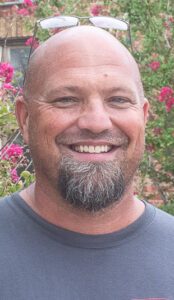
Greg Akers
What is your current occupation?
Contractor “Akers Investments LLC”
Tell us a little bit about your family.
I am blessed to be married to my best friend Stacy. We have 4 children, 2 Boys and 2 girls; they range in age from 31 to 6.
What are your community involvements/civic affiliations?
Breckenridge Chamber of Commerce Board
Stephens County Humane Society Board
Stephens County Tx Crime Stoppers President
What is your education/military service?
I went to school in California. No military service, but I am a proud supporter of our veterans.
What training, experiences and characteristics qualify you for this position?
I was previously on the commission. I believe it is my business experience and connection to our citizens that will be able to question and make informed decisions regarding our community.
What do you think are the top three most important issues facing the City of Breckenridge and what would you do to address them, if elected or re-elected?
Of course, the obvious issues are streets, water, reduce cost of living, etc.
I believe the answer really is to look at current spending and balance budget, get grant writers working with city to help get more money for our city. This to have the money needed to increase and improve staffing issues plaguing this city. Without the money and staff needed to get the problems fixed, we keep having the same issues. Also work with local organizations to help improve the opportunities within our city, areas like housing, business opportunity, employment growth and many more.
Where would you like to see Breckenridge in the next 5 to 10 years?
This may not always be the answers people like, but I truly would like to see our community, AKA City, double its population. With increased population and strategic planning, we can keep our wonderful small-town vibe and be able to financially fix and improve our town.
What do you hope to accomplish as a member of the Breckenridge City Commission?
Public Awareness and Public Involvement. I want the people of Breckenridge to believe in their leadership again.
Is there anything else you would like to say to the voters of Breckenridge?
Vote for Akers. Let’s make Breckenridge even a more wonderful place to live.
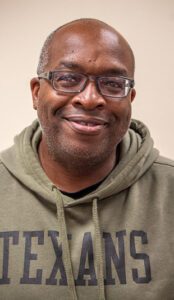
Rob Durham
What is your current occupation?
Sales/Leasing Consultant, Bayer Chevrolet-Cadillac, Breckenridge, TX.
Tell us a little bit about your family.
My wife, Lori Durham, is a teacher with the Breckenridge Independent School District. She has been with the district for 35 years and has taught 3rd, 4th, 5th and 6th grade classes. My son, Riley Durham, is a 2018 graduate of Breckenridge High School and a 2022 Business Management graduate of Tarleton State University in Stephenville. He is currently employed by Kingdom Downhole Testing in Granbury, and is engaged to be married in Spring 2025, to Tesslie Baker. My daughter, Sidney Durham, is a 2020 graduate of Breckenridge High School and is currently a senior Child Development major at Tarleton State University. My mother, Diana Durham, is a 1974 graduate of Breckenridge High School and a 1997 graduate of Dallas Baptist University. She currently resides in Dallas.
What are your community involvements/civic affiliations?
Member, Gunsight Baptist Church; current Stephens County Appraisal District Board member; past member of the Breckenridge Chamber of Commerce Board of Directors; past member of the Breckenridge Lions Club; past board member of Abilene Basketball Officials Association; past coach in Breckenridge Youth Basketball, Breckenridge Little League and Breckenridge Little Bucks Football.
What is your education/military service?
I’m a 1989 graduate of Breckenridge High School and a 2021 Business Management graduate of Grand Canyon University.
What training, experiences and characteristics qualify you for this position?
I’m a lifetime resident of Breckenridge and have always had a desire to see my community grow and flourish into the future. Being a current City Commissioner, I’ve had training on open meetings, elections and the Freedom of Information Act. Being a former newspaper editor, I am aware of transparency rules and what city government information must be made public. The media/city government relationship needs to be strong and cohesive because it will be effective and necessary for all parties involved.
What do you think are the top three most important issues facing the City of Breckenridge and what would you do to address them, if elected or re-elected?
1. Infrastructure. We must prepare Breckenridge for the future. Preparing for the future means updating the quality of life activities, preparing for possible growth within our community and having the ability to withstand that growth. We want people to move to Breckenridge and help us grow. With that growth comes preparedness to withstand it, meaning upgraded and modern water/sewer systems, affordable taxes and driveable city streets. 2. Animal Control continues to rear its ugly head from time to time in our community. When it comes to the Animal Control Department, no news can be good news. But, when the news is out about Animal Control, most of the time the news is not good. We need to make an effort to control our cat problem and curb the loose dogs running in our community. We need to be proactive in a sense of preventing potential accidents involving loose dogs and helping citizens keep their pets safe. 3. Continue to support our City of Breckenridge staff and First Responders. We have dedicated City of Breckenridge workers who are good at what they do. We need to continue to provide for them by keeping a living wage, providing effective benefits and giving them the skills and training to continue their job skills. Breckenridge needs to become a destination, not a stepping stone or resume builder. We want our city staff to feel like this is where they want to serve, whether it be our water department, parks department, law enforcement staff or our local fire department. I want the City of Breckenridge staff to become a job that people will see as a means to start a career, while being able to provide for their family without being at poverty level.
Where would you like to see Breckenridge in the next 5 to 10 years?
In five to 10 years, I want to see Breckenridge as a community that welcomes people and families of all ages…a place to raise a family…a place to retire…and a place to call home. Breckenridge has to become versatile, where there are community activities for all ages. We have an awesome foundation of activities, ranging from workshops at the Breckenridge Fine Arts Center, to activities in the Breckenridge City Park, to activities at the National Theater. We just need to take it to another level. We have a strong Chamber of Commerce that is willing to do what it takes to raise our quality of life and an Economic Development Corporation looking to expand our business sector. Our City Commission needs to be their biggest cheerleaders.
What do you hope to accomplish as a member of the Breckenridge City Commission?
I feel that we have accomplished a lot in the terms that I have served, but there is plenty of work to be done for our community. Recently, the Breckenridge City Park received a facelift with modern playground equipment. A plan for city streets is established and is put into action.
Is there anything else you would like to say to the voters of Breckenridge?
Be heard! Get out and vote. Attend our local City Commission meetings…SHOW UP AND SHOW OUT!! The “Way We’ve Always Done It” mentality keeps communities stagnant, and I will do everything to see that our community continues to advance into the future. I’m currently serving as a Breckenridge City Commissioner because I have a desire to serve my community and help it grow. I have no axes to grind or any heads to hunt. I simply am here to serve Breckenridge and help our community grow to the best of its ability. In order for that to happen, we all must work as one unit and move forward…TOGETHER!
The post Get to know the candidates: Breckenridge City Commissioner contenders answer profile questions first appeared on Breckenridge Texan.