The quiet push to shield pesticide makers from lawsuits

In April 2026, California farmer Terri McCall stood on the steps of the Supreme Court at a rally protesting pesticide use, telling the story of how her husband and dog both died of non-Hodgkin’s lymphoma, a disease she believes was caused by pesticides. Her husband, Jack, had used Roundup for more than three decades on their 20-acre ranch before dying of cancer in 2016.

Over 57,000 pesticide products are currently registered for use in the United States, ranging from powerful chemicals used in conventional agriculture, to common insect repellents approved for use on children. Scientific evidence is accumulating that some of them are linked to illnesses ranging from cancer to Parkinson’s disease

But beginning in 2024, a powerful coalition of chemical manufacturers and industry groups launched a coordinated national effort to pass “immunity laws,” bills designed to shield companies from potential legal claims tied to harms from their pesticide products. Over the past three years alone, industry lobbyists attempted to pass pesticide immunity legislation in 15 different states.

The battle over ‘failure to warn’

At the center of the industry’s lobbying effort is a key legal question: What responsibility do pesticide companies have to warn users and consumers about potential health risks from their products? In many states, individuals can currently bring “failure to warn” claims if they believe a company withheld information about harms associated with a pesticide.

The chemical makers advocating for pesticide immunity laws argue that companies should be protected from those lawsuits as long as they use labels approved by the Environmental Protection Agency (EPA). But opponents say that standard is dangerously inadequate.

There are longstanding concerns about the EPA’s pesticide review process. For example, the official EPA labels for glyphosate still do not carry a cancer warning, despite mounting evidence that it may cause cancer and other groups like the World Health Organization calling it “probably carcinogenic.” 

“The science is pretty clear,” said Daniel Hinkle, the senior counsel for policy and state affairs at the American Association for Justice. “The evidence continues to accumulate, and the pesticide makers continue to lose in the courtroom.”

Meanwhile, a growing body of research links a broad range of health harms to commonly used pesticides, including neurodevelopmental impacts, respiratory problems and reduced IQ in children, health problems like liver and metabolic diseases, and cancer.

The pesticide lobbyist’s playbook

Several landmark court cases have found chemical makers responsible for illnesses like cancers and neurological diseases, resulting in billions of dollars in payments from pesticide makers. Bayer alone has paid over $11 billion in cancer settlements linked to its products. In response, the chemical industry has poured millions of dollars into lobbying for pesticide immunity laws at the state and federal levels, and in the courts. “It’s very clear that this is a coordinated campaign by the industry to absolve themselves of legal liability for health harms from these chemicals,” said Hinkle.

In the last three years, advocates fought against proposed immunity bills in 15 different states. While defeated in a dozen states, the bills passed in Georgia, North Dakota and Kentucky. “The states where these bills are passing have some of the highest cancer rates in the nation,” said Joy Reeves, the director of policy and strategic development at the Rachel Carson Council. “The reality now is, if you’re a farmer and get sick, you have fewer options to hold the pesticide companies accountable.”

Environmental and legal advocates say the campaign behind the pesticide immunity laws is both sophisticated and well-funded. Hinkle says a central driver of the effort is the Modern Ag Alliance (MAA), a lobbying and public relations group founded by Bayer, the maker of Roundup, in 2024. 

While many states do not make lobbying expenditures easy to track, those that do show huge sums are being spent on pesticide immunity legislation. According to public filings, MAA spent roughly $1.6M lobbying in Tennessee in 2025. Reporting by the Idaho Sun found that MAA was the top outside spender in Idaho politics that same year. 

What pesticide immunity could mean for families

As industry groups push for legal protections around pesticide injury, there are growing concerns about what these bills could mean for public health, accountability, and local input.

In 2012, on a warm July afternoon in Iowa, organic farmer Rob Faux was working in his poultry yard. He heard an airplane roar overhead, and then droplets began raining over him and his chickens and turkeys. A crop duster kept the sprayer on as it passed over Faux’s farm twice, covering them with fungicides and insecticides

Subsequently, Faux was diagnosed with cancer. Recent data shows that Iowa, which has one of the highest rates of pesticide use in the country — in 2025, 53 million pounds of pesticides were used in the state — also has the second-highest cancer rate in the nation.

Faux is now the communications manager and resident farm expert for the Pesticide Action & Agroecology Network (PAN). He says that many products that people use every day, from ant bait to mosquito repellent, will similarly fall under the scope of the new immunity laws. 

“If these laws pass, and someone sells a mosquito repellent for children that makes them sick, for example, these pesticide immunity bills will eliminate pathways for families to hold the makers accountable,” he said. 

He also points to the loss of local control as a key concern. “If I live in a town where the drinking water comes from a local lake, but pesticide applicators are using chemicals that are getting into the water, the community should be able to protect people,” he said. Many of the proposed immunity bills would prevent that, because local or state governments wouldn’t be allowed to set pesticide rules that are stricter than federal standards.

A pivotal moment in the pesticide immunity fight

These concerns brought together a broad coalition spanning left-leaning environmental advocates and members of the Make America Healthy Again network. Protestors gathered outside the Supreme Court for a rally the last week of April as the justices inside heard opening arguments in Monsanto v. Durnell. The closely-watched case could reshape the future of pesticide litigation nationwide.

The case centers on whether federal pesticide labeling laws and EPA labels override state-level failure-to-warn lawsuits. A ruling in Monsanto’s favor could dramatically weaken legal pathways for people alleging harm from pesticide exposure. “This is a case that is largely about states’ rights,” said Reeves. “It will affect states’ ability to regulate pesticides.”

Just a few days later, federal lawmakers overwhelmingly rejected an effort to insert pesticide immunity language into the Farm Bill. Seventy-three Republicans joined Democrats in opposing the pesticide immunity provision. 

“It was a pretty astounding defeat,” said Max Sano, a senior policy and coalitions associate with Beyond Pesticides who helps organize a national coalition of farmers, farmworkers, scientists, and advocacy groups. “But these bills are still popping up everywhere [on a state level], so we can’t afford to slow down.” His organization is currently monitoring newly proposed pesticide immunity legislation in 10 states.

The rise of a new pesticide reform movement

As momentum grows against pesticide immunity laws, Reeves described the current moment as “today’s Silent Spring movement,” referencing Rachel Carson’s landmark 1962 book that helped ignite the modern environmental movement. “Today, the pesticide reform movement is diverse,” Reeves said. “It’s cross-partisan. It’s far-reaching.” 

Advocates like Reeves, Sano, and Hinkle are taking a multi-pronged approach to fighting pesticide immunity laws: organizing national coalition calls, educating lawmakers, tracking bills across states, mobilizing grassroots campaigns, and coordinating legal and public awareness efforts.

And individuals can have a deep impact on the fight, too, Hinkle said. “It is incredibly important to be in communication with your lawmaker,” he said. “Every single call or email matters. Concerned constituents and grassroots organizing have really been the decisive forces in holding off this onslaught.”

Reeves echoes him, saying, “If you care about your family and your community, you should engage on this issue. It affects us all.”


The Rachel Carson Council (RCC), founded in 1965, is the national environmental organization envisioned by Rachel Carson to carry on her work after her death. We promote Carson’s ecological ethic that combines scientific concern for the environment and human health with a sense of wonder and reverence for all forms of life in order to build a more sustainable, just, and peaceful future. The Rachel Carson Council is a nonpartisan 501(c)(3) nonprofit organization.

This story was originally published by Grist with the headline The quiet push to shield pesticide makers from lawsuits on Jun 9, 2026.

Hollister city manager’s use of own recruiting firm for city hiring raises concerns

Hollister city manager’s use of own recruiting firm for city hiring raises concerns

Lea este artículo en español aquí.

Hollister City Manager Ana Cortez’s use of her own private firm to recruit a Human Resources and IT director has drawn criticism from at least one community member and raised questions about whether it represents a conflict of interest.

Cortez has defended her use of her firm Munitalent for city recruiting by pointing out that she is not charging the city and is providing the services pro bono.

A government ethics expert said even though the practice is questionable because of the potential value to Cortez’s firm, even though the services were being provided at no charge, and because the process appears to involve less transparency than a more typical approach, it’s on the “the very low end” of ethical risks or conflict of interest.

Cortez used Munitalent to recruit for a human resources, risk, and technology director after she took over as city manager earlier this year.

“It’s pro bono,” Cortez said. “I’m not getting paid to recruit my own [employee].”

Cortez told BenitoLink that using her firm benefits the city because the service was provided for free and because the firm’s social media network is larger than the city’s. She also noted that she is the only member of the firm.

“I think it’s great the city manager can provide consulting for free after we’ve spent millions in the past,” she said.

But at the April 20 Hollister City Council meeting, community member Andres Builes questioned Cortez’s use of her own firm for city business.

“I’m concerned as to why our positions within the city are made public through different channels than the hiring HR system that the city of Hollister has,” he said.

Though the position was being advertised by Munitalent and posted on the city’s website starting in March, it wasn’t until May 4 that the City Council approved the human resources, risk, and technology director position.

Asked about the issue, Cortez declined to answer what she called “personal” issues.

When the position was approved by the council, Cortez said the recruitment “went through all the processes according to governmental procedures, regardless of what the Facebook environment may say,” in an apparent response to criticism on social media.

Santa Clara University’s Markkula Center for Applied Ethics Director Davina Hurt said even though Cortez is not charging the city, the issue “shouldn’t be dismissed lightly.”

“It’s still a commodity,” Hurt said. “It still has value.”

Hurt added that while Cortez ultimately chooses who to hire, whether recruiting through the city’s channels or Munitalent, the latter has less oversight and accountability because she has control of both recruiting and hiring.

“There’s just no guardrails in this recruitment process because of her business involvement,” Hurt said. However, she added, “Of all the things I speak about and review, this is on the very low end of being concerned about ethical risks.”

Hurt said the issue is more about whether the city has a hiring policy that places ethical boundaries that can be applied no matter who is the top administrator.

“Guardrails and framework of governance are just so important so no one ever questions, ‘Did she profit? Did the brand profit? Did the firm profit? And who does the firm ultimately serve?’” she said. “Did it serve her, or did it ultimately serve the community?”

Asked to comment on the conflict of interest concerns as well as a complaint filed against Cortez by former city employees, councilmember Rolan Resendiz said it’s “not something I’m prepared to talk about.” 

Mayor Roxanne Stephens and the other three council members did not respond to BenitoLink’s requests for comment.

The city’s personnel rules and regulations set a broad policy on recruiting, stating that vacancies “shall be publicized as determined by the Human Resources Department” for at least 10 days before the final application filing date without providing additional details on the recruiting process.

The city manager’s job description and municipal code say the top administrator has the duty to hire, discipline and dismiss personnel. The municipal code exempts the city attorney and city treasurer positions from being disciplined by the city manager.

When she got approval from the City Council to create the director position, Cortez said she basically had been acting as HR director because the department was “very thin” with the equivalent of less than three full-time employees. 

She noted that the city had already interviewed a candidate but the panel, consisting of two city directors and a member of the business council, did not choose the candidate.

The position is still advertised on Munitalent and the city’s websites.

Since joining the city of Hollister in February, Cortez has reorganized several departments, resulting in the elimination of three positions. The three employees who were let go later filed a complaint against Cortez.

Cortez’s actions have received staunch support from the City Council and a group of contractors who have said the city has vastly improved the building permitting process, which was a source of widespread frustration before Cortez’s arrival.

We need your help. Support local, nonprofit news! BenitoLink is a nonprofit news website that reports on San Benito County. Our team is committed to this community and providing essential, accurate information to our fellow residents. Producing local news is expensive, and community support keeps the news flowing. Please consider supporting BenitoLink, San Benito County’s public service nonprofit news.

The post Hollister city manager’s use of own recruiting firm for city hiring raises concerns appeared first on BenitoLink.

A far-off plan to close schools puts a Maine town on the verge of leaving its district

A far-off plan to close schools puts a Maine town on the verge of leaving its district
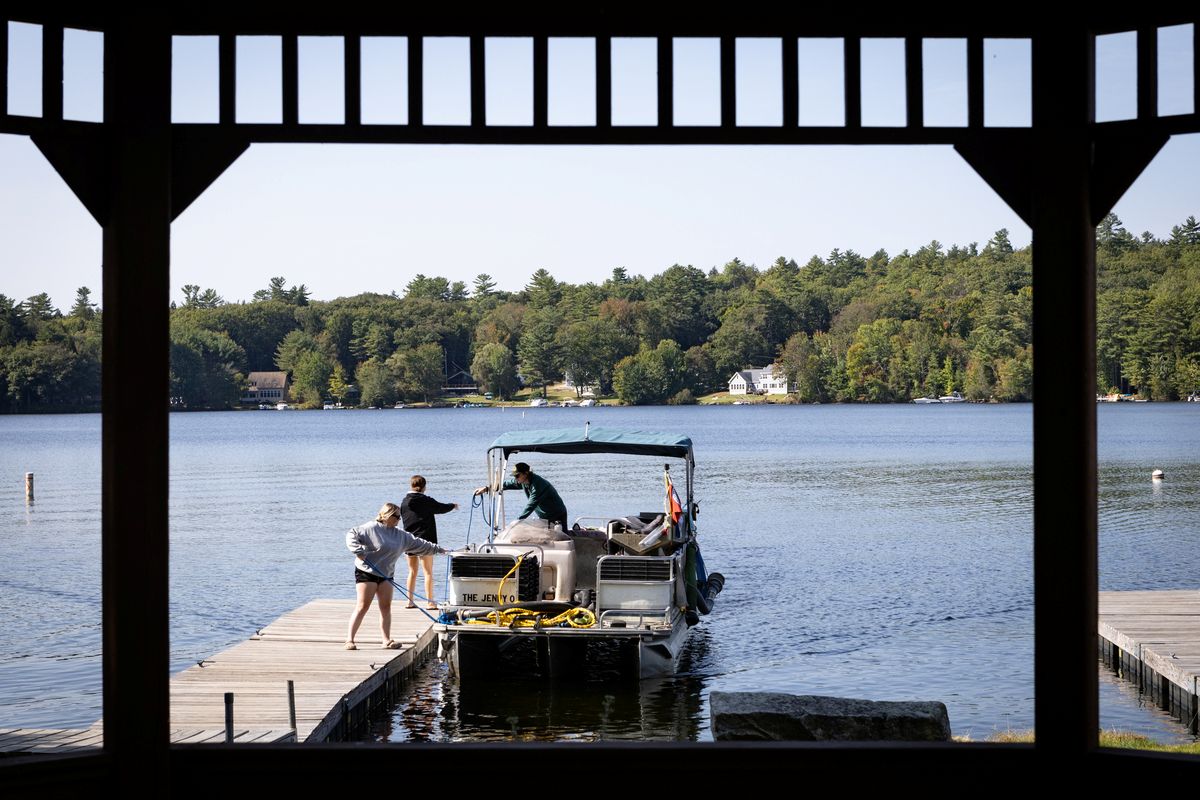
Long Lake boaters tie up at a town dock in Harrison on Thursday, Sept. 19, 2024. The town is going to vote on whether to withdraw from its school district. Photo by Troy R. Bennett of the Bangor Daily News.
Daniel O’Connor is a Report for America corps member who covers rural government as part of the partnership between The Maine Monitor and the Bangor Daily News, with additional support from BDN and Monitor readers.

Voters in the western Maine town of Harrison will vote Tuesday on whether to begin the process of withdrawing from their school district in response to a far-off proposal to consolidate local elementary schools.

Residents will decide whether the lakeside town should file a petition to withdraw from South Paris-based School Administrative District 17 and form a committee to weigh the costs of switching districts or becoming a single-town district.

MSAD 17 has been consolidating its schools in a bid to save money, making Harrison the latest Maine town to face the question of whether it can keep its local elementary school as student populations dwindle, costs rise, and an older population is paying more to educate fewer kids.

Last fall, elementary schoolers in Waterford began attending Harrison Elementary School. Elsewhere in the district, West Paris voters elected to shutter their elementary school in a landslide vote last spring. The district had planned to vote in the fall on whether to accept state money to build a consolidated elementary school for students from Harrison, Waterford and Norway, but it currently doesn’t have a location nailed down.

“We’re still very early on in the process,” school board member Veronica Poland said. “We don’t even have a site selected yet for the voters to vote on.”

Harrison will decide whether to take the unusual step of leaving its district in a bid to pre-empt consolidation and preserve its elementary school. Even if Harrison votes “yes” next week, it’s only the start of a lengthy process that the town estimates may cost around $50,000.

The town has a head start at examining its choices. A “School Options Committee” formed in 2024 when a consolidation plan was first weighed by the district. It has been meeting for over a year to discuss the proposal to withdraw and save the local school.

“Closing would take our kids out of our community into a bigger school,” Amy Gerry, Harrison’s deputy clerk and the chair of the committee, said. “Parents weren’t happy with that.”

In May, the committee presented three basic options: staying the course and risking the closure, joining the smaller Bridgton-based MSAD 61 or going it alone. All three options will remain on the table if voters decide to move forward with the withdrawal process on Tuesday.

If a “no” vote prevails or if the withdrawal is blocked later in the process, Harrison Elementary School may close if a new school is built. It’s not clear whether the district will vote on accepting the new school funds this fall as previously planned.

Gerry said that despite annoyance at the possibility of consolidation among some parents, few have been turning up to meetings of the options committee.

“Our townspeople are mostly retired age, so it’s a small selection of families that are here, and they haven’t come out,” she said. “Obviously on June 9 we’ll see where the vote goes.”

How a hospital is helping solve a hometown housing shortage

How a hospital is helping solve a hometown housing shortage

HOT SPRINGS, S.D. – In a first-of-its-kind project in South Dakota, the small hospital in this southern Black Hills town is investing in a subdivision project to provide housing for its employees.

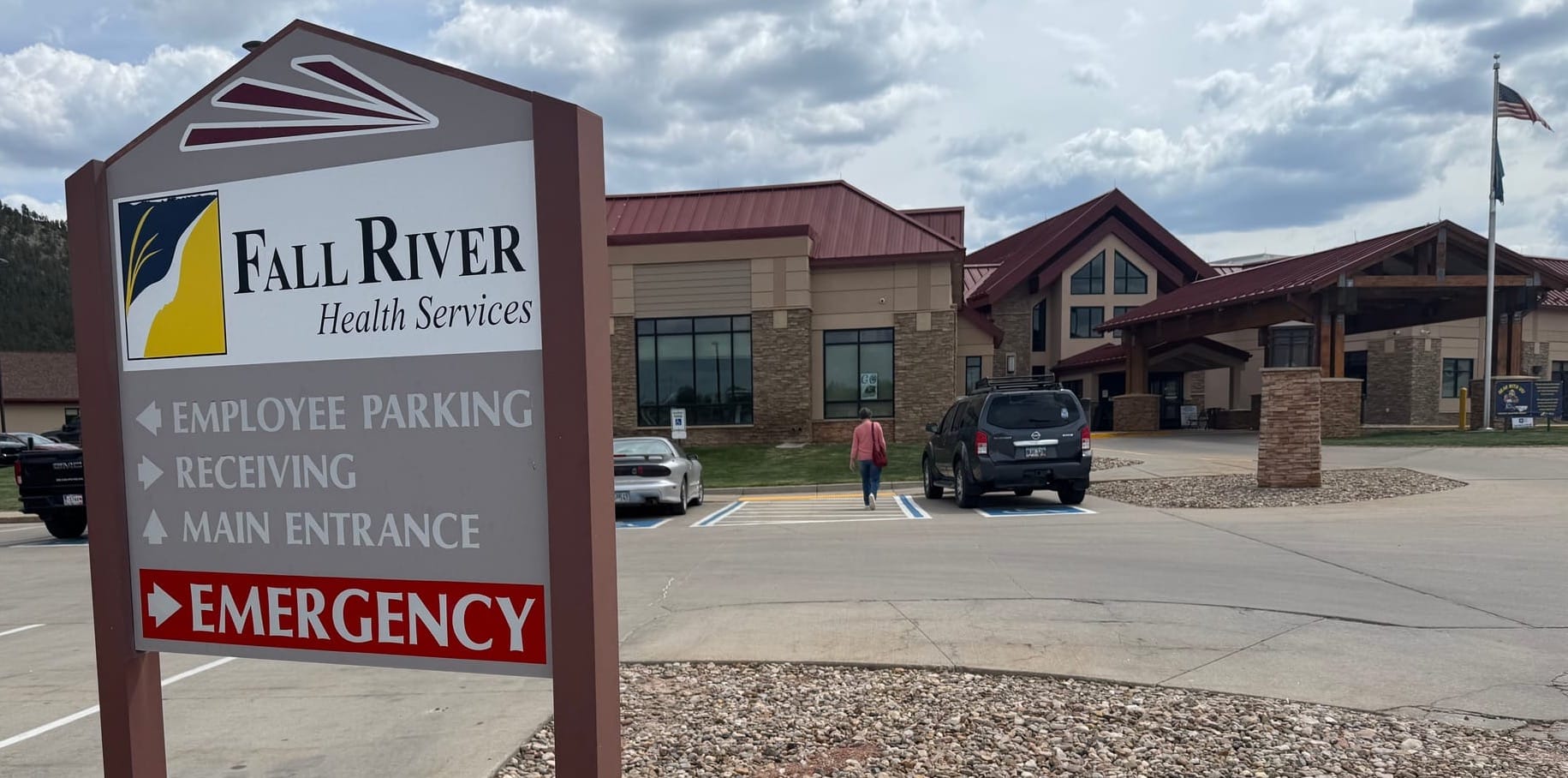
Fall River Health Services, an independent nonprofit medical center in Hot Springs, is paying $2.3 million of the overall $3.4 million cost of infrastructure for a subdivision that could create 48 new affordable housing units a few hundred yards from the hospital campus.

“It’s not wages or benefits keeping employees away, it’s simply that housing just isn’t available.”
– Jesse Naze, chief financial officer at Fall River Health Services

Like many South Dakota employers, Fall River Health is enduring a long-range worker shortage that has put pressure on its existing staff and driven up costs due to hiring of expensive traveling, short-term medical employees.

As of May 29, the hospital had 19 job openings, most of them in direct patient care, a shortage of 10% of its needed workforce of 190. In the past couple years, the hospital has lost dozens of prospective health care workers because they couldn’t find affordable or suitable local housing, said Jesse Naze, chief financial officer at Fall River Health.

“You can’t stop providing care, so we need workforce to care for our local population,” Naze told News Watch in an interview. “It’s not wages or benefits keeping employees away, it’s simply that housing just isn’t available.”

How a hospital is helping solve a hometown housing shortage
Engage South Dakota identifies and shares solutions to the state’s biggest challenges.

The hospital’s investment in the Cascade Hills subdivision project is part of a growing trend in which South Dakota employers are finding ways to provide housing for their workers.

Wall Drug president Rick Hustead told News Watch in 2025 that he provides mobile homes and other housing for more than 100 seasonal employees who would otherwise have nowhere to live.

Get South Dakota news and information in a free email on weekdays. Cancel any time.


Subscribe

Similarly, business operators in Keystone have said they provide recreational vehicles as housing for summer workers who arrive under the H-2B Visa program each year.

However, Chas Olson, executive director of the South Dakota Housing Development Authority (South Dakota Housing), told News Watch he isn’t aware of any South Dakota project in which an employer invested money on permanent housing that will benefit the business as well as the community at large for years to come.

ABOUT ENGAGE SOUTH DAKOTA

This story is part of an ongoing South Dakota News Watch series called Engage South Dakota using storytelling, crowdsourcing and community engagement to identify and share potentially replicable housing solutions.

Each story includes the community’s responseinsights to be learned, evidence of whether the ideas are effective and limitations on the efforts.

Key takeaway for this story: Private businesses facing worker shortages can’t wait for developers to build affordable housing, so they’re finding unique ways to invest in workforce housing on their own.

Read about other South Dakota housing solutions.

The private hospital with 25 beds saved money for years to be able to invest in the proposed housing project in which some homeowners could see a financial benefit if they take jobs at the hospital and stay for at least five years.

“The hospital is fronting the cash to get this infrastructure put in so we can get this project going,” Naze said. “There’s only so much local workforce, so we need to attract employees, and this should be a big help.”

Evidence: Various sizes and price points

South Dakota Housing has high hopes for the Hot Springs project and in October approved a nearly $1.2 million grant to support the project. The money came from the $200 million Housing Infrastructure Financing Program approved by the Legislature in 2023.

Olson said the authority had been in discussion with officials from Hot Springs and Fall River Health for several years to generate a plan for an affordable housing project.

“We knew they were having issues recruiting and keeping workers there because the (existing) housing is old and aging,” Olson said.

How a hospital is helping solve a hometown housing shortage
The Fall River Health Services of Hot Springs, S.D., shown on May 27, 2026, is investing in a housing project in hopes of attracting new employees. (Photo: Bart Pfankuch / South Dakota News Watch)

The Cascade Hills project has a solid development plan, highly engaged people managing construction and strong overall community support, he said.

“When you combine all those things, it gave us comfort that the housing will get built,” Olson said.

According to a project summary by South Dakota Housing, the infrastructure grant could help lower lot prices by $30,000 each and allow rents to be up to $100 a month cheaper. The grants typically help pay expenses such as installation of utilities, streets, and curb and gutter.

Support solutions-focused storytelling. Help South Dakota News Watch tell stories that identify and share solutions to the state’s biggest challenges.


Donate

The current plan for the subdivision is to build a mix of single-family and multi-family buildings that will create 48 total housing units with a wide range of square footages and prices, said Dennis Fischer, a former Hot Springs schools superintendent who now serves on the local hospital and housing boards.

Single-family homes of about 1,300 square feet should cost about $350,000, including the lot. Smaller villas, duplexes and townhomes could come in as low as $285,000, including lot costs, he said. Any of those prices fall within the South Dakota Housing Authority threshold for “affordable” housing projects.

“We’re hoping that isn’t out of reach for homeowners,” he said.

How a hospital is helping solve a hometown housing shortage
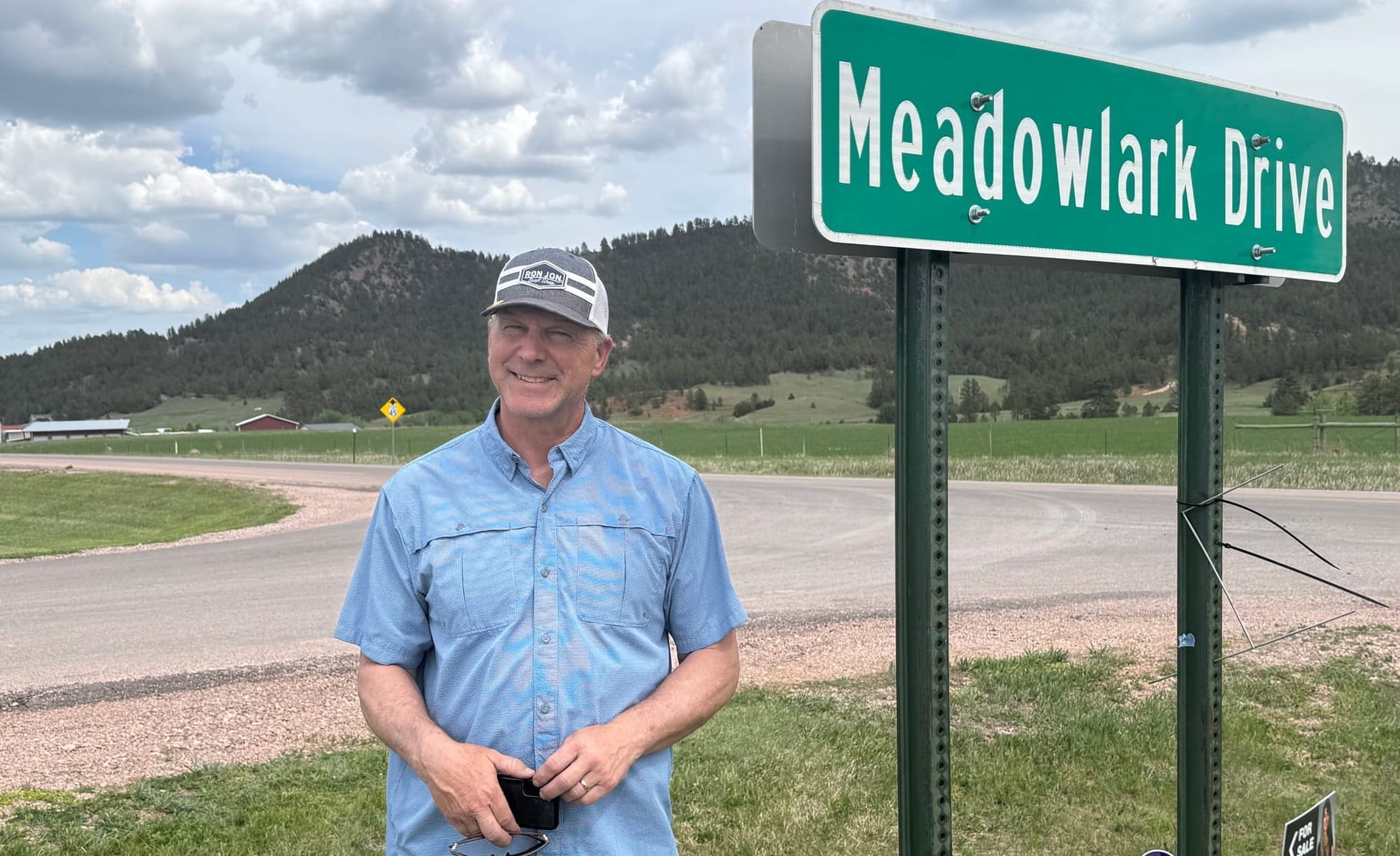
Dennis Fischer, a member of the housing and hospital boards in Hot Springs, S.D., stood on May 27, 2026, across Highway 71 from a proposed affordable housing development. (Photo: Bart Pfankuch / South Dakota News Watch)

Project managers are working out details of a special mortgage for hospital employees who buy a home in which lot costs of up to $54,000 could be returned if they remain employed for five years, Fischer said.

As of May 27, the subdivision site remained open pastureland, though Fischer said infrastructure work could begin any day, with utility installation and road work the starting points. The 11-acre project on state Highway 71 south of the city will include space for a community park, he said.

The housing units will be built by private developers, who are not yet on board, Fischer said.

The local school district has some of the same hiring challenges as the hospital, he said.

“Teachers who couldn’t find housing turned down job offers or left after a couple years because they didn’t feel like they were getting ahead in terms of home ownership,” he said.

The partnership approach to funding the subdivision has expedited the timeline of the project, Fischer said. “The hospital didn’t have deep enough pockets to do it on their own.”

Fischer said a hopeful timeline for full development and sale of the housing would be in eight to 10 years, though he acknowledged it could be longer.

Insights: Study shows need for new ideas

A 2023 housing study revealed some of the challenges facing Hot Springs, many of which are common in small cities across the state. The city lost 4.5% of its population from 1990 to 2000 and saw another 10.1% decline from 2000 to 2010, falling from 4,129 to 3,395 over that 20-year period, according to the U.S. Census.

Perhaps more alarming and indicative of the city’s increasing position as a retirement community is that 60% of the city’s population was age 45 or older in 2022, with a loss of 125 people age 14 or under in the decade prior.

Meanwhile, from 2010 to 2020, Hot Springs lost 121 households, roughly 7% of its housing stock, though some data models anticipated household growth in the near future.

How a hospital is helping solve a hometown housing shortage
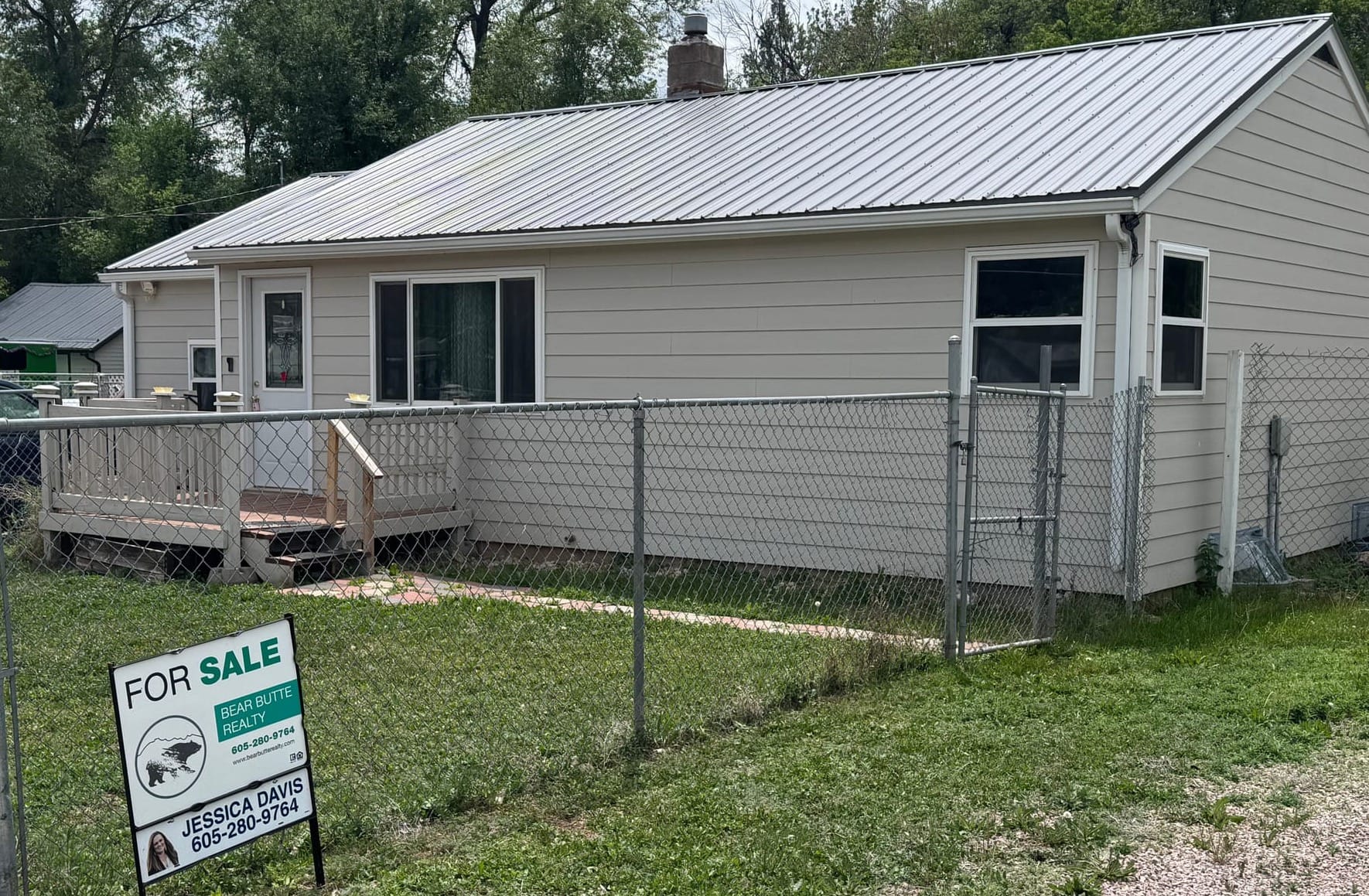
This home on South Chicago Street in Hot Springs, S.D, shown on May 27, 2026, was one of the few homes on the market at that time. (Photo: .Bart Pfankuch / South Dakota News Watch)

The study also noted strengths and weaknesses in the city’s current and prospective housing efforts. Strengths include the city’s role as a regional economic center, strong educational and health care systems, abundant outdoor recreation, attractiveness to retirees and generally affordable housing.

Negatives include the increasing population age and declining condition of housing, low-pay jobs, commutable proximity to Rapid City and a lack of available infrastructure.

“We’re trying to get people of working age to come here and bring their family and put their kids in our schools and shop at our local stores.”
– Aerial Allison, Hot Springs city administrator

The study ultimately called for development of about 100 local rental units, finding more developable land for single-family homes, and improvement or demolition of dilapidated houses and mobile homes.

Interestingly, the study called directly for two components that would be achieved by the Cascade Hills subdivision: promoting employer involvement in housing development and greater development of twin-home and townhouse units.

Limitations: Holistic housing approach needed

So far, the city of Hot Springs and its residents have been big supporters of the Cascade Hills project, said Aerial Allison, city administrator.

With no significant resident opposition and a unanimous city council vote, the city approved a $2.3 million tax increment financing (TIF) district to expedite development, she said.

How a hospital is helping solve a hometown housing shortage
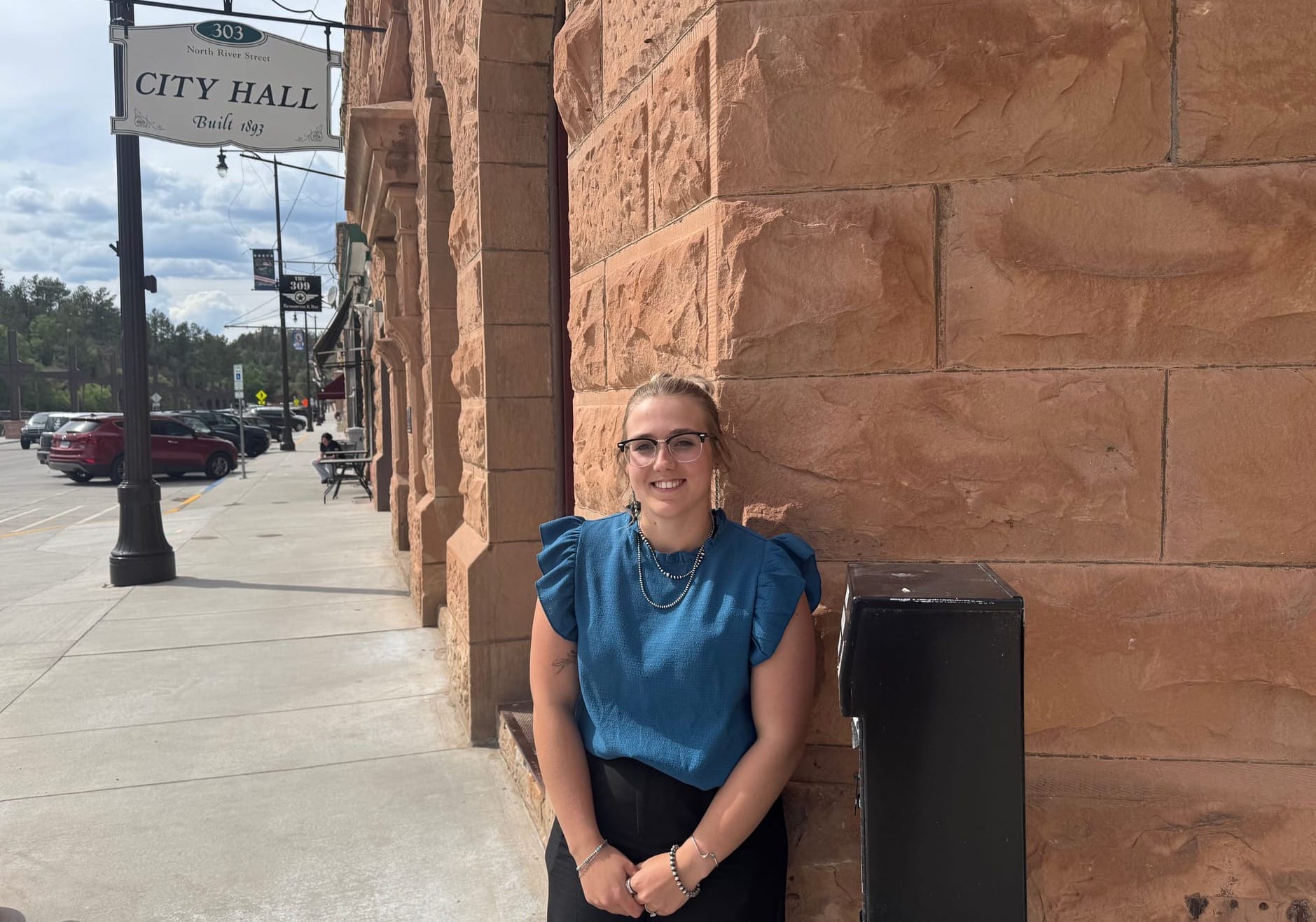
Hot Springs, S.D. city administrator Aerial Allison outside city hall on May 27, 2026. (Photo: Bart Pfankuch / South Dakota News Watch)

No local tax money is expected to be needed on the project that could generate opportunities for new or existing employers to hire workers and potentially expand, Allison said.

“We’ve got some job openings (in city government) and I know they’ve been struggling at the hospital to fill jobs and retain them,” she said. “But I think all our employers would see a benefit.”

Yet the subdivision is only one part of a larger strategy to increase housing options in Hot Springs, Allison said.

Quality housing has been increasingly hard to come by as the city’s reputation as a pleasant retirement community has grown. Adding to the demand is a large number of out-of-state people who moved to Hot Springs and bought homes during and since the COVID-19 pandemic.

“Not to blame them for anything, but we’re really excited this project is focused on workforce housing,” Allison said. “We’re trying to get people of working age to come here and bring their family and put their kids in our schools and shop at our local stores.”

How a hospital is helping solve a hometown housing shortage
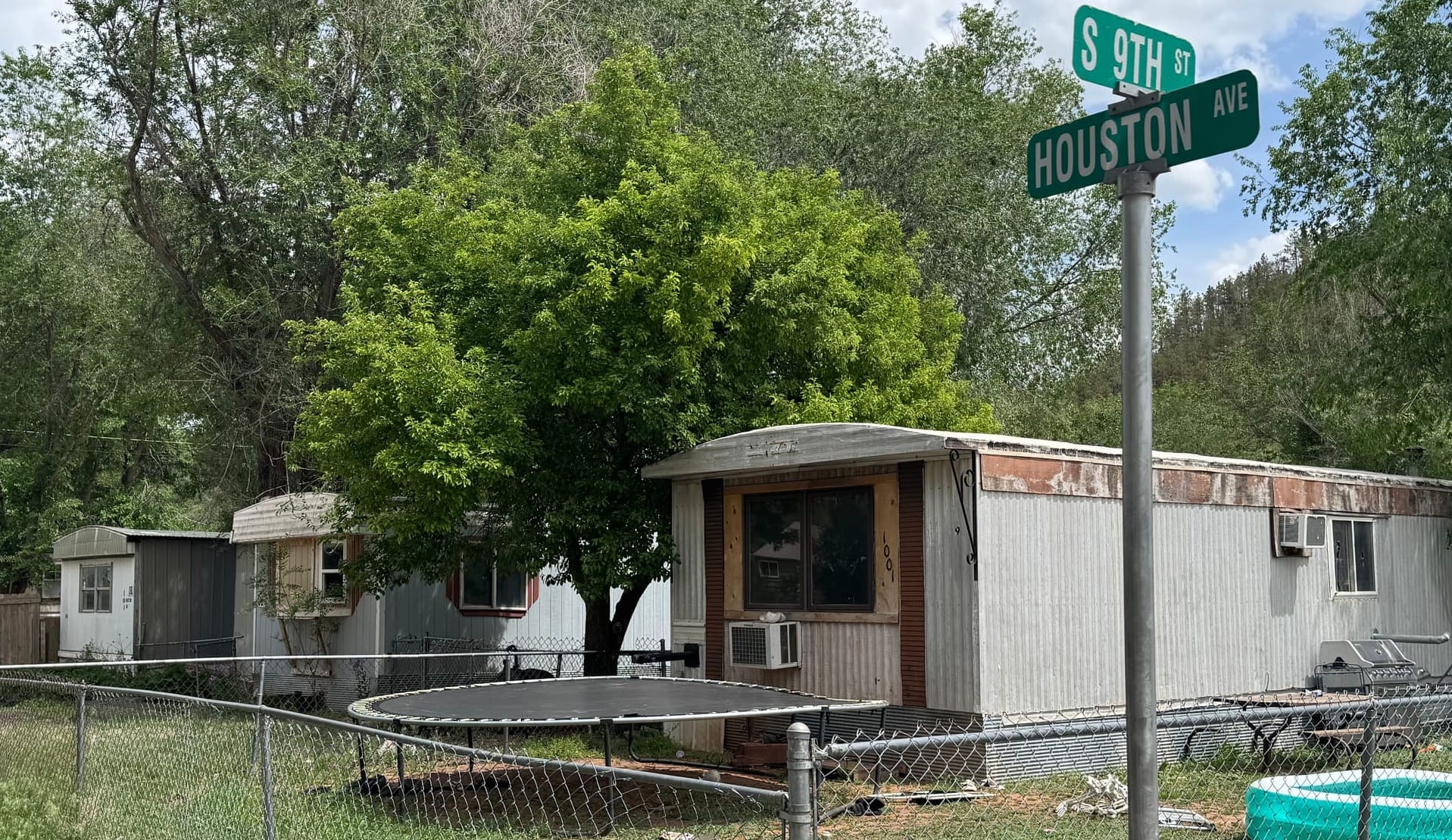
The city of Hot Springs, S.D., is working to fix up or remove properties in need of repair in order to bolster its housing stock, such as these aging mobile homes on Houston Avenue shown on May 27, 2026. (Photo: Bart Pfankuch / South Dakota News Watch)

Meanwhile, the city has become more assertive recently in trying to buy and rehabilitate or tear down dilapidated housing, especially in some aging local mobile home parks. Part of that plan is to find suitable housing for people who leave those aged houses, Allison said

The city is also trying to connect homeowners with resources to help pay for home improvements or to upgrade their housing status, she said.

Engage South Dakota: Housing solutions
A list of entities and programs that can assist in developing or obtaining housing as well as links to News Watch reporting on housing solutions.
How a hospital is helping solve a hometown housing shortage

“Our jobs here haven’t really kept up with other rising costs, and especially housing costs, so people may need some help,” Allison said.

If the Cascade Hills project goes well, and houses get built and sold fairly quickly, it could spur more housing development, population growth and economic activity in the city, she said.

“It’s a good first step for us, a really big first step,” she said.

South Dakota News Watch is an independent nonprofit. Read, donate and subscribe for free at sdnewswatch.orgContact content director Bart Pfankuch: 605-937-9398/bart.pfankuch@sdnewswatch.org.

State to hit pause on UCI World Series mountain bike races after this year

State to hit pause on UCI World Series mountain bike races after this year

As the governmental agency running Olympic facilities in the Adirondack Park gears up for its third year of mountain bike races in Lake Placid and Wilmington, officials say the races are coming to an end after this fall.

Amid controversy over its right to hold such cycling competitions within the state forest preserve, the Olympic Regional Development Authority decided to discontinue the races after completing the three-year contract it signed to allow the competitions on skiing trails, said ORDA Chair Joe Martens.

The authority board voted in December 2023 to stage the races in 2024, 2025 and 2026 under a contract with Union Cycliste Internationale. UCI owns the rights and license to the Mountain Bike World Series. It had transferred those rights to Warner Bros. Discovery Sports Events Limited.

“We are always evaluating our events to make sure they’re delivering strong regional impact, meaningful exposure and alignment with our mission and where we are headed,” Martens said. “After going through that process, we’ve decided not to renew the UCI contract this year.”

The events came with great expense — substantial hosting fees, costs to construct and take down the temporary tracks built for world-class mountain bike races and consultant bills. Getting sponsorships proved challenging.

The races began in 2024 as strictly cross-country biking competitions at Mount Van Hoevenberg, and expanded to downhill racing on Whiteface Mountain last fall.

Controversy in 2025

The downhill event in 2025 drew more spectators but also caused trouble for ORDA as it built the Whiteface racetrack without getting its work plan approved by the state Department of Environmental Conservation (DEC). 

The DEC issued a rare notice of violation to its sister agency and the environmental group Protect the Adirondacks accused ORDA of harming the natural terrain of a mountain that New York voters had never authorized to be used for bike races.

After spending more than $860,000 to put on three days of mountain bike races in the fall of 2025, the authority brought in less than $300,000 in revenue from ticket sales and parking from the downhill and cross-country cycling competitions, records show.

The baseline costs for hosting the UCI event required ORDA to make payments of $420,000 to $500,000 a year for the rights to put on the races.

ORDA weighed costs versus benefits and decided three years was enough for now. But ORDA could revisit the matter in future years, Martens indicated.

“We have a great relationship with UCI and are actively staying in touch about what future opportunities might look like,” he said.

Plans for 2026

The plans for the upcoming third year of hosting the races are already drawing criticism, particularly plans for the Whiteface downhill racetrack.

The design laid out, according to a draft plan posted by the DEC on May 13, calls for building a 7,090-foot course with a total vertical drop of 1,650 feet. 

Along the race course, a boundary of up to 20 feet will be designated for spectators. ORDA plans a buffer area outside the course corridor to protect the woodlands.

Within the course boundary, ORDA proposes developing temporary features — a variety of berms and jumps. 

ORDA officials declined to discuss the plan.

Protect the Adirondacks wrote in a comment letter that the mountain bike tracks are not authorized under exemptions to the “forever wild” provisions of the state Constitution, also known as Article 14, previously approved by voters, and shouldn’t be allowed without a constitutional amendment.

“When the People of the State of New York approved the constitutional amendments to Article 14 … for the Whiteface Mountain Ski Center in 1941 and 1987, they did so to approve a downhill alpine ski area and not a summertime mountain bike racecourse,” Protect the Adirondacks wrote.

ORDA’s work plan states that the unit management plan for Whiteface states that mountain biking in the non-ski season, both recreationally and for racing, could be planned.

Restoration work continues

Protect the Adirondacks also pointed out that ORDA has yet to reveal how it is dealing with its unauthorized cutting of trees to build its 2025 racetrack.

ORDA has said that it took down some trees in 2025 for the downhill track, adding some of the trees removed were sick or dead.

 Protect the Adirondacks Executive Director Claudia Braymer said trees may be harmed now by last year’s movement of rocks and soil onto their bases and called for removing those piles to help trees recover.

The violations DEC cited last year resulted in the regional DEC director calling for five items for ORDA to accomplish. The authority was required to take several steps to remediate the mountain after the races and to improve communications and oversight of environmental rules.

After many months of advertising, ORDA recently accomplished one of the directives. It hired a staffer who can assure legal compliance with the environmental rules of the Adirondack Park Agency and DEC, said Darcy Norfolk, ORDA’s communications director.

DEC officials said ORDA continues to work on other items of the five-point requirement list, including developing a restoration plan that will bring all trails that exceed either the existing mountain bike guidance or the approved constitutional ski trails into conformance with standards.

“The Olympic Authority will complete restoration work this summer on portions of the Stag Brook Falls hiking trail modified for the 2025 downhill mountain bike course and will not use the hiking trail for the 2026 course,” DEC said.

The proposed work plan for 2026 says ORDA plans a downhill course to follow only established ski glades, ski trails and designated mountain bike trails.

The comment period on the work plan ended May 27 with only Protect the Adirondacks giving input.

DEC is expected to eventually publish a final work plan.

ORDA scheduled the races for Oct. 2-4. Its work plan says 200 to 250 men and women downhill racers will train, qualify and compete over 11 days in September through Oct. 4. 

See How Your Beach Stacks Up To Hawai‘i Water Pollution Standards

Surfrider Foundation’s annual report on regular testing at 90 beaches reveals “a dismal situation.”

Red Hook Teens Save Pride Celebration, Drawing Hundreds to Annual Event

The adults stepped aside. So, the kids stepped up. And the annual Pride celebration in Red Hook came off on Sunday without a hitch, with a turnout in the hundreds, booths galore, a live band, and a parade of dogs and humans sporting every color of the rainbow.

Red Hook Teens Save Pride Celebration, Drawing Hundreds to Annual Event
Hundreds stepped onto West Market Street in Red Hook on Sunday for the first youth-organized Pride parade. (Photo by Emily Sachar)

“Red Hook needs some good community bonding and celebrating for this really beautiful month honoring everyone,” said Violet, one of three Red Hook High School juniors who helped organize the event. “We just thought it would really be a shame not to celebrate.”

One of her co-partners in planning, Harper, agreed. “Our goal is to make sure that everyone in our community feels accepted and heard and seen as well as safe and happy here,” said Harper.

Co-organizer Ada agreed. “We found a path forward, and just looking out at everyone who showed up feels amazing,” she said.

The girls began planning almost immediately after BeckHook Pride confirmed in March that it would not host the celebration this year, after three years of events in both Red Hook and Rhinebeck, site of the first Northern Dutchess event in 2023. BeckHook, which is dissolving as a standalone nonprofit and merging with the Dutchess County Pride Center, cited a lack of volunteers.

Three Red Hook High School juniors — Ada, Violet, and Harper — organized Red Hook Youth Pride after adults stepped aside in March. (Photo by Emily Sachar)

The girls approached the task of staging the event by turning to community leaders and previous BeckHook Pride organizers, while leaning on their own grit and common sense. They sought guidance from Amy Smith, Chair of the Village Events Committee for the past five years and former Red Hook Village Board member, and Jeung-il Tsumagari, Program Director at the Red Hook Community Center, on how to procure an insurance certificate, police support, a band, and vendors. Marie-Michelle Mugnos, BeckHook Pride President, also assisted, the girls said.

“I was delighted when they reached out about doing something for Pride,” said Smith. “Violet, Ada, and Harper worked very hard to bring it all together.”

Debbie Hecht, Vice President of BeckHook Pride, said she was touched by the juniors’ work in taking charge of the event. “I’m so thrilled,” she told The Daily Catch Sunday. “The kids did such an amazing thing for our community. It’s fantastic and beyond moving to see young people taking such an active role in Pride.”

As the parade unfolded just after 11:45 a.m., families and citizens arrayed along West Market Street spoke of their delight at the event. “I think it’s important to show our family that there’s a community that supports us and there are other families like us,” said Maxine Coleman, who, with her wife, Kris Peterson, is mom to five kids. The couple, who have been together for nine years, was married two years ago, on a Pride celebration day.

Several attendees said the event, which billed itself as Red Hook Youth Pride, was especially important for young people. “For this community to have this moment of inclusivity, love, and acceptance is especially important for the youth,” said Cassandra Dunbar Ruff, who attended with her wife, Kara Dunbar Ruff; her niece, Etta Shafer; and their dog, Stevie Nicks.

The Peterson-Colman family awaited the launch of the Pride parade late Sunday morning. (Photo by Emily Sachar)

Winter Hubbell, who graduated from Red Hook High School in 2024, attended Sunday’s festival with Eva Sasvary, Class of 2025, and recalled a Pride event some years ago when she was in sixth grade. Winter, who identifies as bisexual, said she walked on a sidewalk carrying a flag. “We’ve come such a long way, with the community really embracing us and accepting us now,” she said. “Red Hook is just a very welcome space.”

Community activist Cat Viega’s 8-year-old daughter, Addie, was adorned as a rainbow butterfly. Her mom lauded the youth leaders who put on the event. “It’s really amazing that young people put this on, and the community solidarity behind this day is amazing,” Viega said.

Parents of the organizers said they were delightfully surprised by what the girls accomplished. “I had no idea they had all this put together,” said Erin McMillan. “I’m so proud of them.”

Dutchess County Legislator Kristofer Munn’s son, Isaac, also applauded the organizers as he walked arm in arm with his partner, Kiersten. “Where there’s a will, there’s a way,” he said.

David Tavarez of Rhinebeck came with Lola, his dog, adorned in a rainbow covering. “We’re here to celebrate Pride, diversity, freedom, and individuality,” he said. “A great day.”

[See image gallery at www.thedailycatch.org]

The post Red Hook Teens Save Pride Celebration, Drawing Hundreds to Annual Event first appeared on The Daily Catch.

Latino Masonry Workers Win Largest Personal Injury Verdict in North Carolina History

Latino Masonry Workers Win Largest Personal Injury Verdict in North Carolina History

In Hendersonville, a jury awarded $101 million to victims and families affected by the collapse of a retaining wall that killed one worker and seriously injured others in 2021. During the trial, attorneys argued that Latino workers were not treated fairly by insurance companies.

La entrada Latino Masonry Workers Win Largest Personal Injury Verdict in North Carolina History se publicó primero en Enlace Latino NC.


Latino Masonry Workers Win Largest Personal Injury Verdict in North Carolina History was first posted on junio 7, 2026 at 12:11 pm.
©2024 “Enlace Latino NC“. Use of this feed is for personal non-commercial use only. If you are not reading this article in your feed reader, then the site is guilty of copyright infringement. Please contact me at paola@enlacelatinonc.org

The city rented office space it never used. It will cost at least $530,000 to break the lease.

The city rented office space it never used. It will cost at least 0,000 to break the lease.

Update 06/07/2026: This article was updated to include the $145,000 payment the City of Ithaca will make in 2027 to Urban Encore, LLC to terminate its lease with the company.

ITHACA, N.Y. — The City of Ithaca will spend $530,000 in 2026 to terminate a lease for office space it never moved into.

After emerging from a closed-door meeting Wednesday, Common Council unanimously voted to terminate a lease for office space at 123 S. Cayuga St., which neighbors city hall. Less than a year and a half after the lease was signed, city leaders said they decided to end the agreement because the site no longer appeared to be a financially viable long-term solution to the city’s office needs.

Council authorized Acting City Manager Dominick Recckio to terminate the lease and pay $530,000 in 2026 in accordance with the agreement. A draft of the lease termination contract stated that the city will pay an additional $145,000 by Jan. 27, 2027 as a part of the agreement. 

The Ithaca Voice has filed a records request with the City of Ithaca for the lease. 

The building was first proposed as a space for city offices to expand in late 2024 during the 2025 budget process. At the time, former City Manager Deb Mohlenhoff recommended the location to alleviate a cramped City Hall. 

She said at the time that city employees needed more space, and 123 S. Cayuga St. was already connected to City Hall’s second and third floors through two sky bridges. Mohlenhoff, who council asked to resign at the end of 2025, presented the building as an obvious solution.

Council gave the Mohlenhoff the green light to pursue an agreement. City officials signed a  20-year lease with Urban Encore, LLC on Feb. 27, 2025, according to the resolution council passed to end the agreement. 

Mohelnoff did not respond to a request for comment on Friday. 

Mayor Robert Cantelmo said in a statement to The Ithaca Voice that the city is exiting the lease now because officials “came to realize it’s not the right office space or financially viable fit for our operations.”

Moving city employees into  the space would also create additional security needs, Cantelmo said. He added that the city has begun to plan for a long-term solution to acquire its own facilities.

Two sources familiar with the matter confirmed that the office space at 123 S. Cayuga St. was not yet ready for city staff to move in and that there was no mandatory timeline in the lease for it to be ready by a certain date. 

The building is owned by Urban Encore, LLC, a subsidiary of the development and real estate company Urban Core, LLC headed by local businessman John Guttridge. 

Guttridge said in an interview Friday that his relationship with everyone at the city has been “very professional” and added that “they were great to work with.”

Guttridge said that he began working with the city to plan its move into the space around the time the lease was signed in February 2025.

“We were working on plans to get them into the building and then they made a different decision,” Guttridge said.


Disclosure: The reporter briefly worked for Urban Core, LLC as a contractor in 2025. The reporter has no ongoing financial relationship with Urban Core, LLC. 

Correction 06/07/2026: A previous version of this article incorrectly stated that 123 S. Cayuga St. is owned by Urban Core, LLC. It is owned by Urban Encore, LLC, a subsidiary of Urban

The post The city rented office space it never used. It will cost at least $530,000 to break the lease. appeared first on The Ithaca Voice.